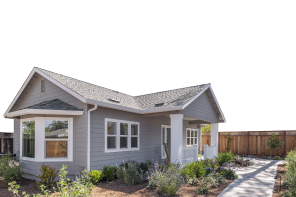
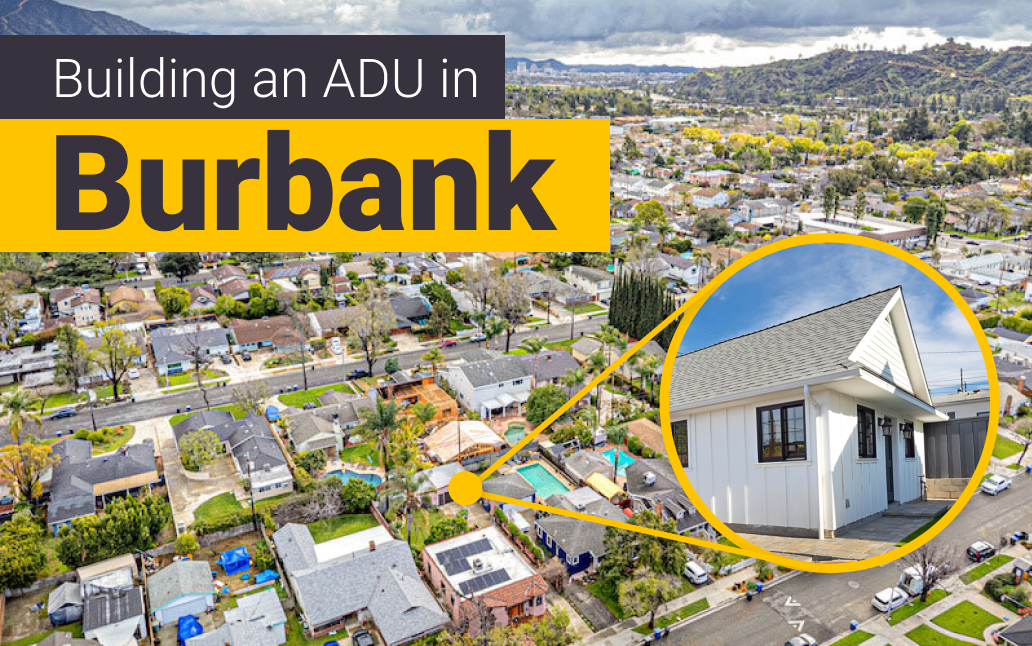
Burbank is one of those rare pockets in Los Angeles County where you get the best of both worlds. Quiet residential streets, strong property values, and quick access to major job centers. It is no surprise more homeowners are looking at their backyard and thinking… there has to be more potential here.
That’s where a Burbank ADU comes in.
Some homeowners are building for rental income. Others want a place for family. And plenty are just trying to make smarter use of the property they already own.
If you’re exploring the idea, this guide will walk you through what’s possible in Burbank, how much it costs, and what the process actually looks like.
If you want to skip ahead and get answers specific to your property, you can always book a call with Maxable. We’ll help you understand your options and connect you with local designers and builders who know Burbank inside and out.
Burbank ADU Laws and Zoning Basics
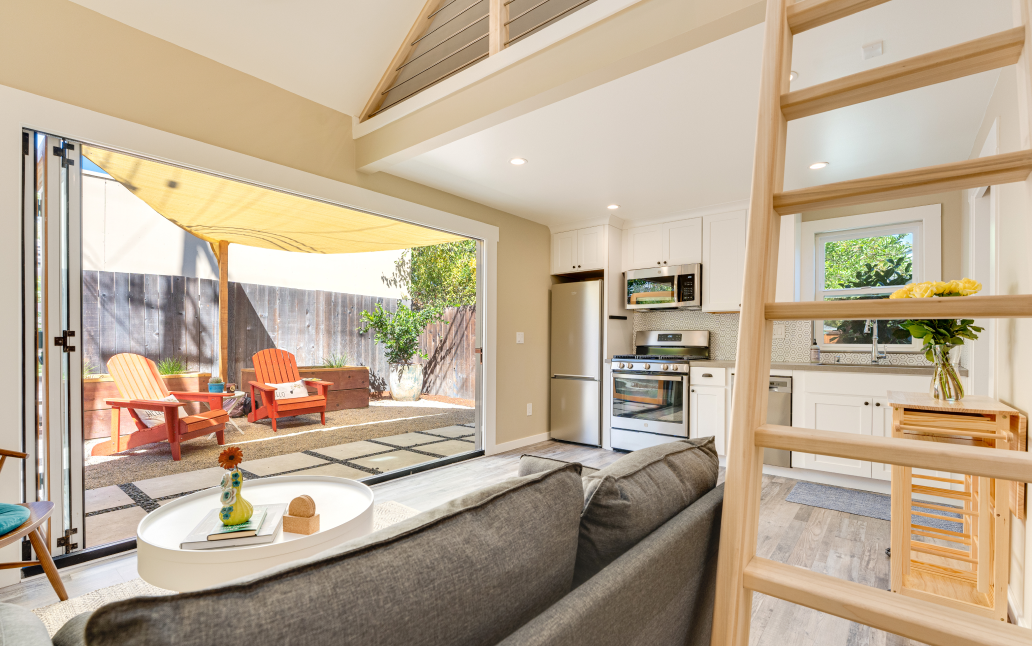
The good news is that building a Burbank ADU is more straightforward than it used to be. California state law now sets the baseline for ADU rules, which means cities like Burbank cannot make things overly restrictive.
Here are the key rules you should know:
- You can typically build at least one ADU and one JADU on a single-family lot
- You are guaranteed the ability to build at least 800 square feet, regardless of local lot coverage rules
- Side and rear setbacks are limited to 4 feet
- Many ADUs qualify for parking exemptions, especially garage conversions
Burbank still reviews your plans to ensure they meet building and safety codes, but the path to approval is much more predictable than it was a few years ago.
Burbank ADU Size Limits and Height Rules
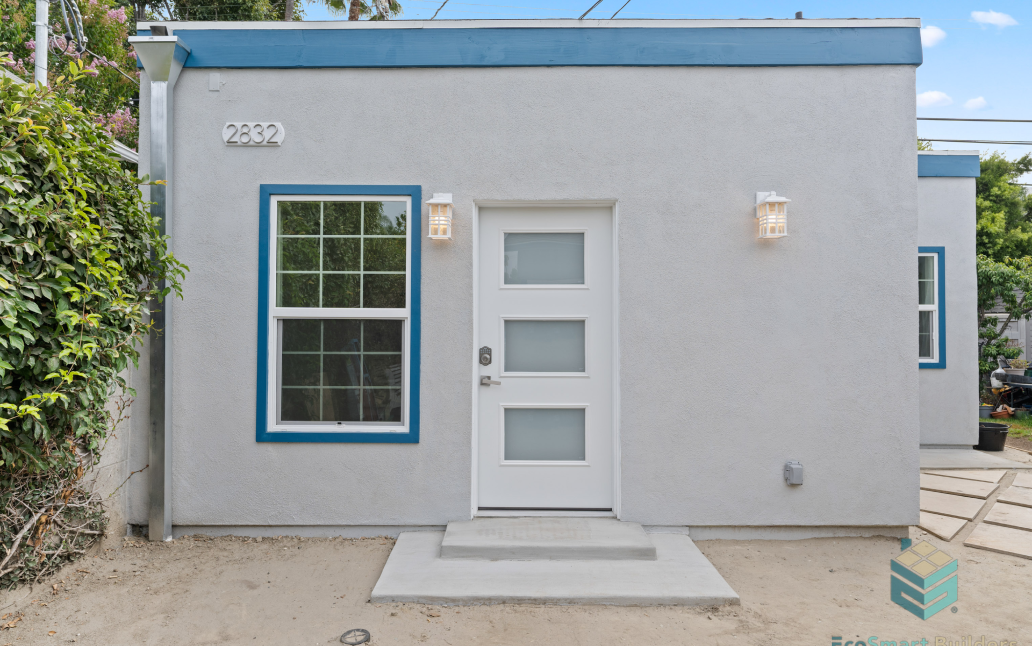
Size and placement are where design starts to get interesting.
Most properties can support:
- At least 800 square feet for an ADU
- Up to 1,200 square feet depending on lot size and layout
- Detached ADUs typically range from 16 to 25 feet in height depending on walking distance to public transit
Setbacks are usually 4 feet from the side and rear property lines, which helps maximize usable space.
That said, your design still needs to account for privacy, sunlight, and how the new structure fits with your existing home. A well-designed ADU should feel intentional, not like it was squeezed in as an afterthought.
Think about who will be living in both the ADU and the main house. The relationship between those two spaces should guide where the ADU is placed and how it’s designed inside.
For example, if the ADU is meant for an aging parent, placing it closer to the main house makes day-to-day support much easier. Inside, a more open layout can improve mobility, especially for someone using a walker or wheelchair.
Types of ADUs You Can Build in Burbank
Not all ADUs are created equal. The right type depends on your budget, space, and long-term goals.
Detached ADU
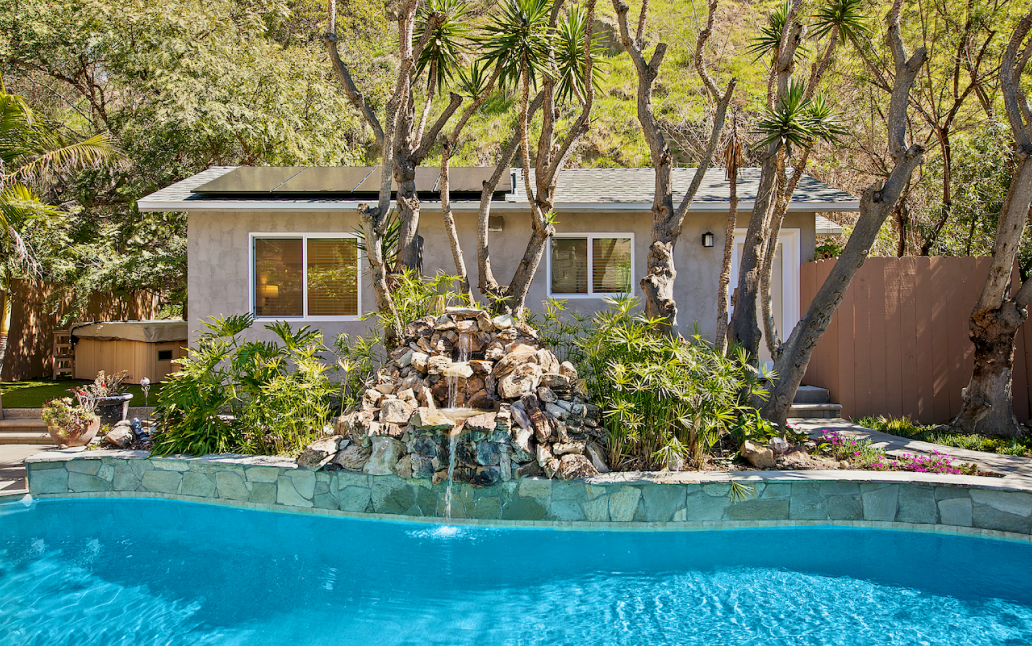
A separate structure in your backyard. This is the best option for privacy and rental income.
Attached ADU
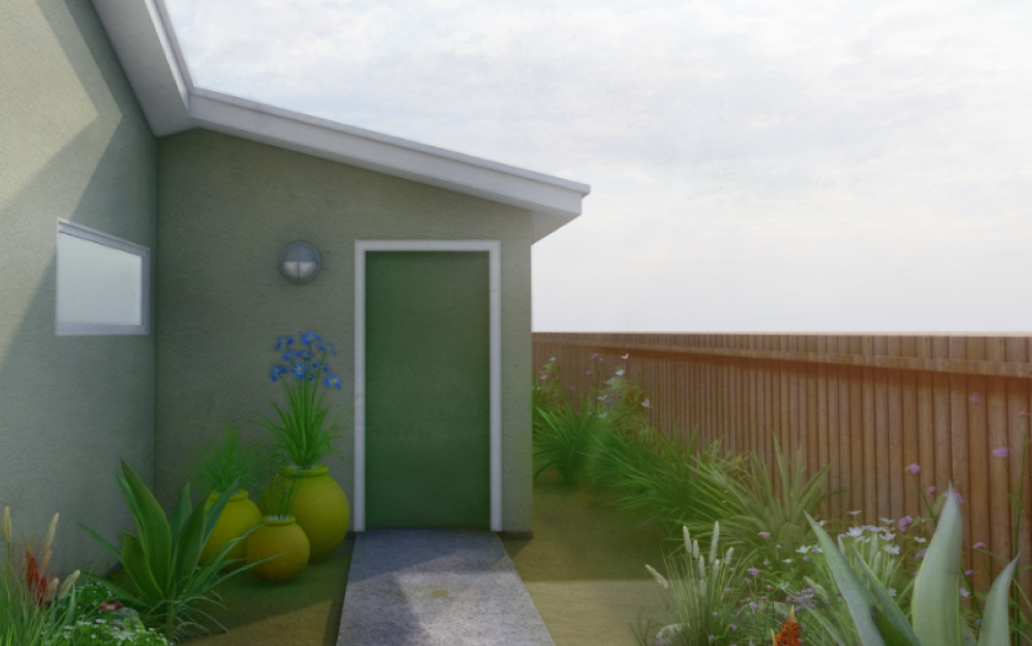
Built as an addition to your main house. Easier access to utilities, but less separation.
Garage Conversion ADU
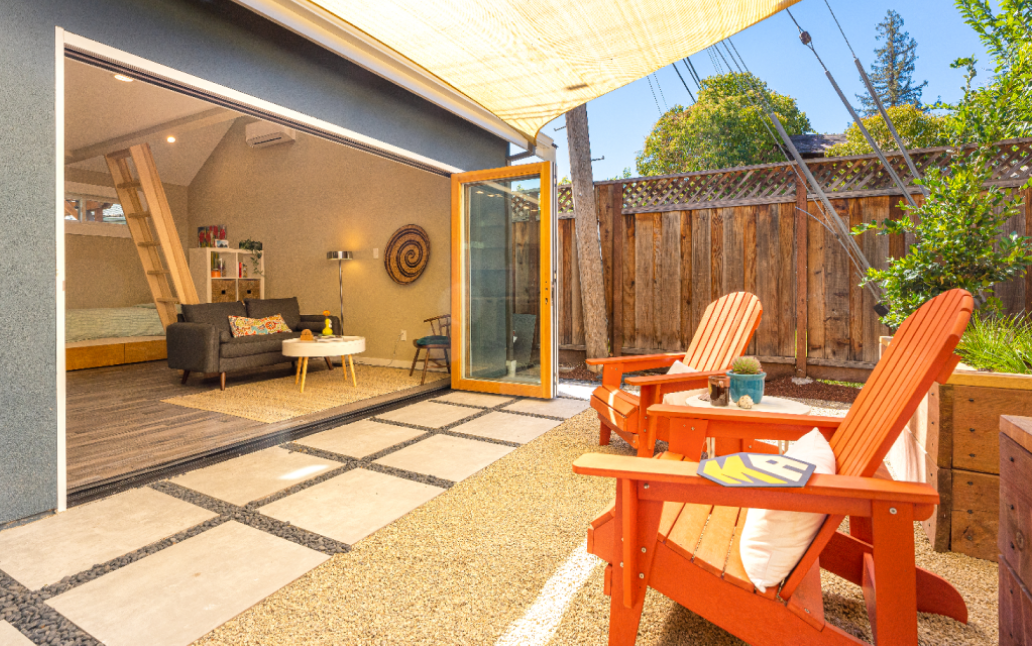
One of the most popular options in Burbank. This involves converting an existing garage, either attached or detached. Depending on the condition of the garage, this option can be more affordable than the other options since you are using an existing structure.
Above Garage ADU
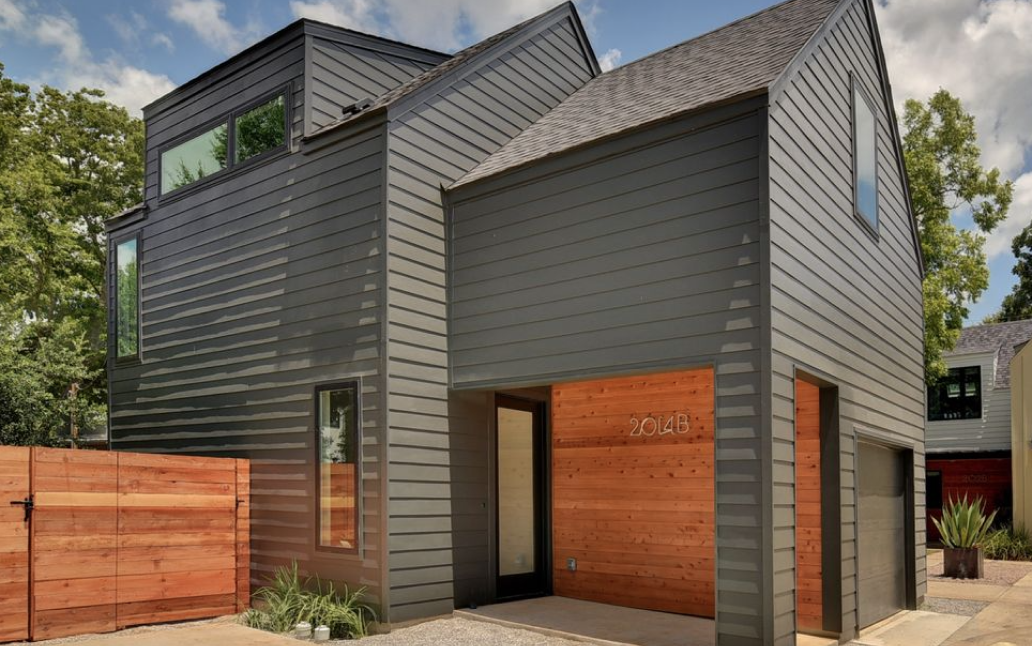
Built on top of an existing garage, this option is great for maximizing space on smaller lots. It allows you to keep your parking while adding a full living unit above. These tend to be more expensive than garage conversions since they require structural reinforcement and new construction, but they can offer strong rental potential.
Junior ADU (JADU)
A smaller unit inside your main home, up to 500 square feet. This option comes with more restrictions, but it can be a lower-cost entry point.
How Much Does It Cost to Build a Burbank ADU?
Let’s talk numbers.
Garage conversions in Burbank typically start around $130,000, while detached ADUs can climb significantly higher depending on size and complexity.
What drives the cost?
- Size and layout
- Structural upgrades
- Utility connections
- Site conditions like slope or access
- Interior finishes
Then there are the “behind the scenes” costs:
- Architectural design
- Engineering
- Permits and city fees
- Energy compliance
One decision that can impact both cost and long-term efficiency is whether to go gas or all-electric.
Plan for a contingency budget as well. Even well-planned projects run into surprises.
Step-by-Step Process to Build an ADU in Burbank
Building an ADU is not a one-step process. It is a series of phases, each with its own timeline and decisions.
1. Feasibility Check
Start by understanding what your property can support. This includes zoning, layout, and utility access.
2. Budget Planning
Set a realistic budget based on your goals and the type of ADU you want.
3. Design Phase
An architect or designer will create plans that meet code and match your vision. If you are not sure who to bring onto your team, this guide on who to hire for an ADU project is a great starting point.
4. Permitting
Submit plans to the City of Burbank. Expect some back and forth during plan check.
5. Construction
Once approved, construction begins. This includes everything from foundation work to finishes.
6. Final Inspection
After passing inspections, you will receive a Certificate of Occupancy. That is your green light to use the ADU.
Timeline: How Long Does It Take?
A typical Burbank ADU project looks like this:
- Feasibility and design: 1 to 2 months
- Permitting: 2 to 4 months
- Construction: 6 to 10 months
In total, expect around 9 to 16 months from start to finish.
Common Burbank ADU Challenges
Every city has its quirks. Burbank is no exception.
Some of the most common challenges include:
- Limited backyard access for construction
- Older homes that need utility upgrades
- Parking replacement if converting a garage
- Tight spacing between neighboring homes
None of these are dealbreakers, but they do need to be factored into your plan early.
Our team at Maxable can take a detailed look at your property and make recommendations from the get-go to help you avoid costly complications down the line. Book a call with us here.
What Can You Use a Burbank ADU For?
This is where things get fun.
A Burbank ADU is not just one thing. It can evolve with your needs over time.
- Long-term rental income
- Short-term rental if allowed in your area. If you are curious about the rules, read this guide on Airbnb and ADUs in California.
- Housing for aging parents or adult children
- A private home office or creative studio
If you are planning for family, thoughtful design makes a big difference. These multigenerational ADU design ideas are a great place to start.
Is Building a Burbank ADU Worth It?
For many homeowners, the answer is yes.
A Burbank ADU can:
- Generate steady rental income
- Increase property value
- Provide flexible living space
- Keep family close without sacrificing privacy
It is not just about adding square footage. It is about creating options for the future.
Planning Your Burbank ADU
Every property in Burbank is a little different. Lot size, layout, and existing structures all play a role in what you can build.
The biggest mistake homeowners make is jumping into design before confirming feasibility. A quick evaluation upfront can save months of time and a lot of money.
If you want clarity on what your property can support, book a call with Maxable. We’ll walk you through your options, help you understand realistic costs, and connect you with vetted ADU designers and contractors in your area.
Because the smartest ADU projects start with a solid plan.