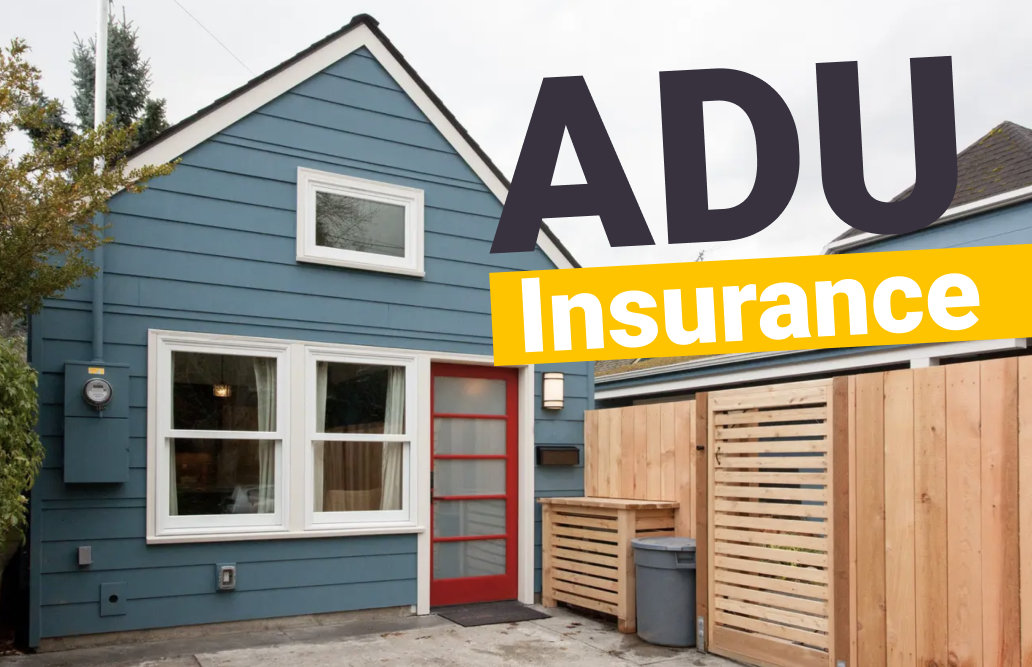
Accessory Dwelling Units (ADUs) are one of the smartest ways homeowners can add value, flexibility, and income to their property. But while most people focus on design, construction, and financing, insurance is often an afterthought, and that can be a costly mistake.
In many cases, a standard homeowners insurance policy doesn’t automatically provide the right level of coverage for an ADU, especially if it’s rented out or used separately from the main home. Without updating your policy, you could be left exposed to risks like property damage, liability claims, or loss of rental income.
Understanding your insurance early, ideally before construction begins, can help you avoid gaps in coverage and ensure your ADU is protected long after it’s built.
Let’s dive in.
Does Homeowners Insurance Cover an ADU?
Let’s first tackle the question most homeowners ask.
In some cases, an ADU may be partially covered under an existing homeowners insurance policy, but it’s not something you should assume. Coverage depends on how the ADU is built, where it’s located on the property, and how it’s used.
Attached ADUs & Garage Conversion ADUs
For attached ADUs or garage conversions, insurers may treat the ADU as part of the primary dwelling. This can mean the structure falls under your existing dwelling coverage, but often at a coverage limit that was never adjusted to reflect the added square footage or rebuild cost. Without updating your policy, you could be underinsured if there’s a major loss.
Detached ADUs
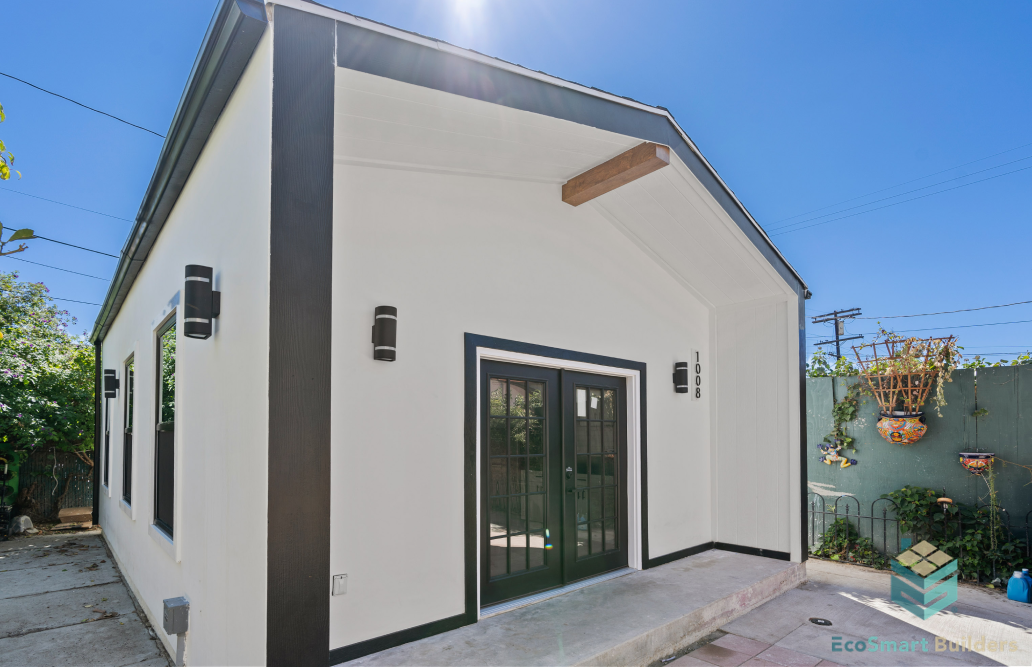
Detached ADUs are typically more complicated. Many insurance companies consider them “other structures,” which often have much lower coverage limits than the main house. In most cases, detached ADUs require either increased coverage limits, a specific endorsement, or a separate policy altogether, especially if the unit is rented.
How the ADU is used also matters. If the unit is rented out, even long-term, your insurer may require landlord or rental dwelling coverage rather than a standard homeowners policy. Short-term rentals often trigger additional requirements or exclusions.
Most importantly, you must notify your insurance provider once you build, or plan to build an ADU. Failing to disclose the unit or its use can result in denied claims or canceled coverage. A quick policy review now can prevent serious financial risk later.
ADU Insurance Options Explained
If you’ve confirmed that your existing homeowners insurance may not fully cover your ADU, the next step is choosing the right type of coverage. The good news is that most ADU insurance solutions fall into a few common categories.
Endorsement or Rider
This is often used for attached ADUs or garage conversions and allows you to increase dwelling limits, liability coverage, or “other structures” coverage to account for the ADU. This can be a cost-effective solution, but it’s important to confirm that coverage limits reflect the full replacement cost of the unit.
Separate Policy
For detached ADUs, insurers may recommend a separate policy that insures the structure independently from the main home. This approach provides clearer coverage and is more common when the ADU is physically separate or has its own utilities.
Landlord or Rental Dwelling Insurance
If the ADU is rented, many homeowners will need landlord or rental dwelling insurance. These policies are designed to cover tenant-related risks, liability exposure, and potential loss of rental income after a covered event.
Umbrella Policy
Some homeowners also add an umbrella policy for extra liability protection, especially when an ADU is rented to someone outside the household. The right option depends on your ADU type, use, and risk tolerance, and is worth reviewing with an insurance professional familiar with ADUs.
Insurance During ADU Construction
Insurance needs don’t start once your ADU is finished. They matter during construction as well. Before building begins, homeowners should review their existing policy to confirm whether coverage applies during construction or if a temporary update is needed. In many cases, insurers recommend builder’s risk insurance, which helps protect the structure, materials, and equipment from damage or theft while the ADU is being built.
Equally important is the insurance carried by your contractor. In California, the Contractors State License Board (CSLB) requires licensed contractors to carry specific insurance, including general liability insurance and, when applicable, workers’ compensation coverage. This protects homeowners if property damage occurs or if a worker is injured on the job. Hiring an uninsured or improperly insured contractor can expose homeowners to serious financial and legal risk.
This is where working with the right builder matters. Maxable helps homeowners get matched with vetted, licensed, and insured ADU builders who meet CSLB requirements and understand the insurance expectations tied to ADU projects. This extra layer of verification helps reduce risk during construction and gives homeowners peace of mind as their project moves forward.
Once construction is complete, your insurance policy should be updated again to reflect the finished ADU and its intended use.
Common ADU Insurance Mistakes to Avoid
One of the biggest mistakes ADU owners make is assuming their ADU is automatically covered under an existing homeowners insurance policy. In many cases, coverage limits aren’t updated to reflect the added structure or square footage, leaving homeowners exposed if there’s a major loss.
Another common issue is being underinsured on rebuild costs. Construction costs have risen significantly in recent years, and ADUs often include custom features, separate utilities, or higher-end finishes. If your coverage is based on outdated estimates, it may not be enough to fully rebuild the unit after a covered event.
Failing to disclose rental use is another serious misstep. Renting out an ADU, whether long-term or short-term, can change the type of policy required. If your insurer isn’t aware the unit is rented, claims related to tenant damage or liability may be denied.
Finally, many homeowners skip annual policy reviews. Insurance needs can change over time as construction costs increase, rental use evolves, or local risks shift. Reviewing your policy annually helps ensure your ADU remains properly insured and protected for the long term.
Protect Your ADU Investment for the Long Term
Proper insurance coverage is a critical part of protecting that investment. From ensuring your ADU is fully covered under your homeowners policy to understanding how its use affects your coverage, taking the time to get your insurance right can save you thousands of dollars and prevent headaches down the road.
During construction, having both builder’s risk coverage and verified contractor insurance is essential. California law, enforced through the Contractors State License Board (CSLB), requires that licensed contractors carry liability and workers’ compensation insurance, protecting you from financial and legal exposure. Once construction is complete, updating your policy to reflect the finished ADU ensures you’re protected from structural damage, liability claims, or unexpected events.
Working with the right professionals makes this process far easier. Maxable connects homeowners with vetted, licensed, and insured ADU builders and designers in your area. Our network ensures that every professional we match you with meets strict insurance and licensing standards, giving you confidence throughout the project.
Don’t leave your ADU unprotected. Check your address with Maxable today to get matched with experienced, insured ADU professionals who can help you build safely, stay compliant, and protect your investment for years to come.