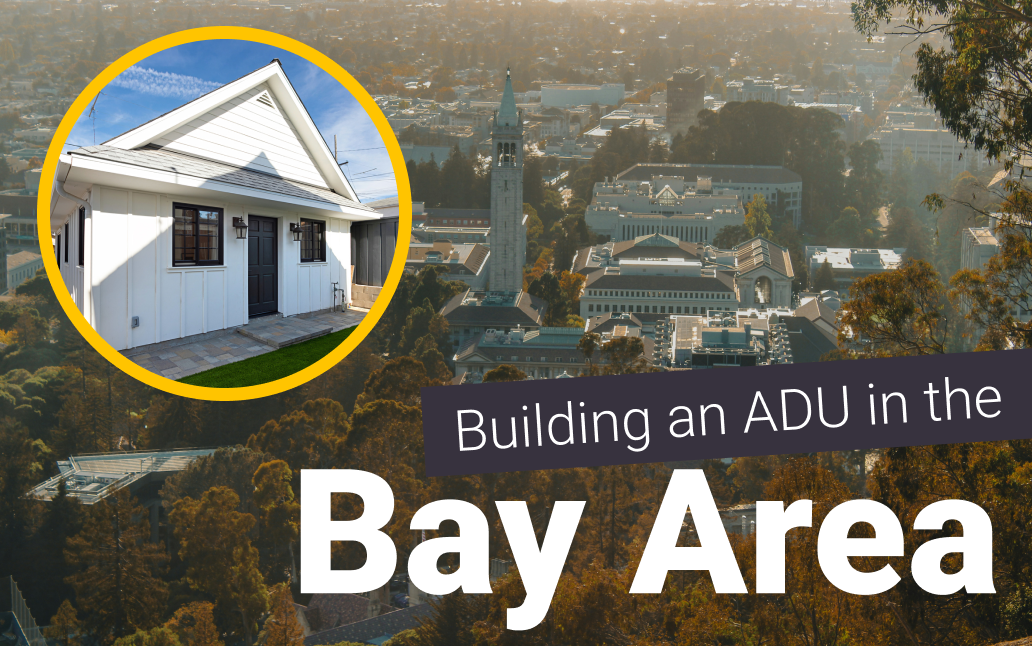
The Bay Area is one of the most expensive places in the country to rent, which is exactly why so many homeowners here are looking at their backyard in a new way. An ADU can turn unused space into rental income, a home for family, or a quieter place to work, on a lot you already own.
The tradeoff is that the Bay Area is also one of the more complicated and costly places to build. Rules shift from San Francisco to San Jose to Oakland, labor runs well above the state average, and permitting can test your patience. None of it is a dealbreaker, but going in with real numbers saves you money and months.
This guide covers what you can build, what it costs in 2026, how the rules differ by city, and the process from idea to move-in. If you’d rather get answers specific to your property, you can book a call with Maxable and we’ll match you with vetted local designers and builders who know your city.
Bay Area ADU Laws: The State Rules That Apply Everywhere
California state law sets a floor that no Bay Area city can undercut, which makes the starting point the same whether you’re in Fremont or the Mission. On nearly every single-family lot you can count on:
- At least one ADU and one JADU (junior ADU) on the same property
- A guaranteed minimum of 800 square feet, regardless of local lot-coverage limits
- 4-foot side and rear setbacks, so your unit can sit close to the property line
- No replacement parking required when you convert a garage
- Impact fees waived on any ADU under 750 square feet
A JADU is a smaller unit, up to 500 square feet, carved out of your existing home. For a full breakdown of the statewide rules, our guide to California ADU laws in 2026 walks through what changed and what it means for your project. Cities layer their own zoning, fees, and review steps on top of this baseline, which is where the Bay Area gets interesting.
ADU Rules by City: San Francisco, San Jose, and Oakland
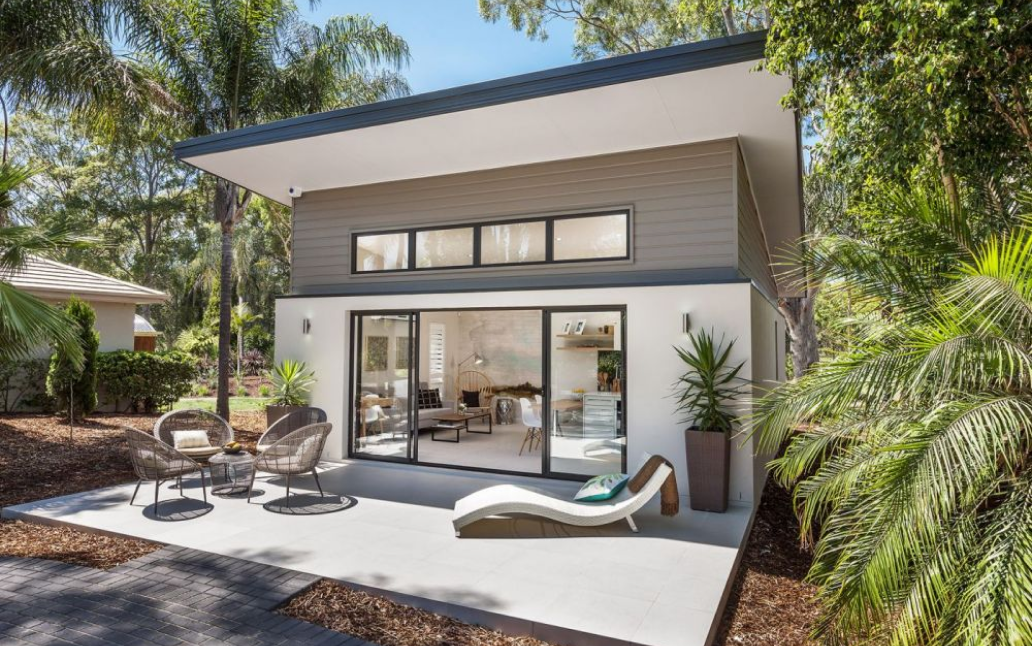
The state sets the floor, but your city sets the fees, the review timeline, and a handful of local quirks. Here is how the three biggest Bay Area markets compare. Always confirm the current numbers with your local planning department, since fees and rules change.
San Francisco
San Francisco is the priciest and slowest jurisdiction in the region for ADUs. Permit fees commonly land between $10,000 and $18,000, and the review process is known for taking longer than neighboring cities. The upside for multi-unit owners: San Francisco allows unlimited ADUs in buildings with more than five units where there’s physical space for them. If your property sits in a historic district or a special zone, expect extra review, so build that time into your plan.
San Jose
San Jose is one of the more ADU-friendly big cities in the state. Permit fees typically run $8,000 to $12,000, no additional parking is required, and the city runs a pre-approved ADU program with ready-to-use plans that can speed up permitting. On lots under 9,000 square feet you can build a detached ADU up to 1,000 square feet; on larger lots, up to 1,200. If you like the idea of stacking a unit above the garage to save yard space, this San Jose above-garage ADU shows how it can work.
Oakland
Oakland lands in the middle on cost and is friendly on the rules. Permit fees generally range from about $5,000 to $10,000, detached ADUs can go up to 1,200 square feet, there’s no owner-occupancy requirement, and the city offers pre-approved plans. Oakland also reviews many ADU applications on a roughly 60-day track, and some fees are reduced for units rented at below-market rates. A garage conversion is often the most affordable path here, like this 450 sq ft Berkeley garage conversion just across the bay.
How Much Does It Cost to Build an ADU in the Bay Area?
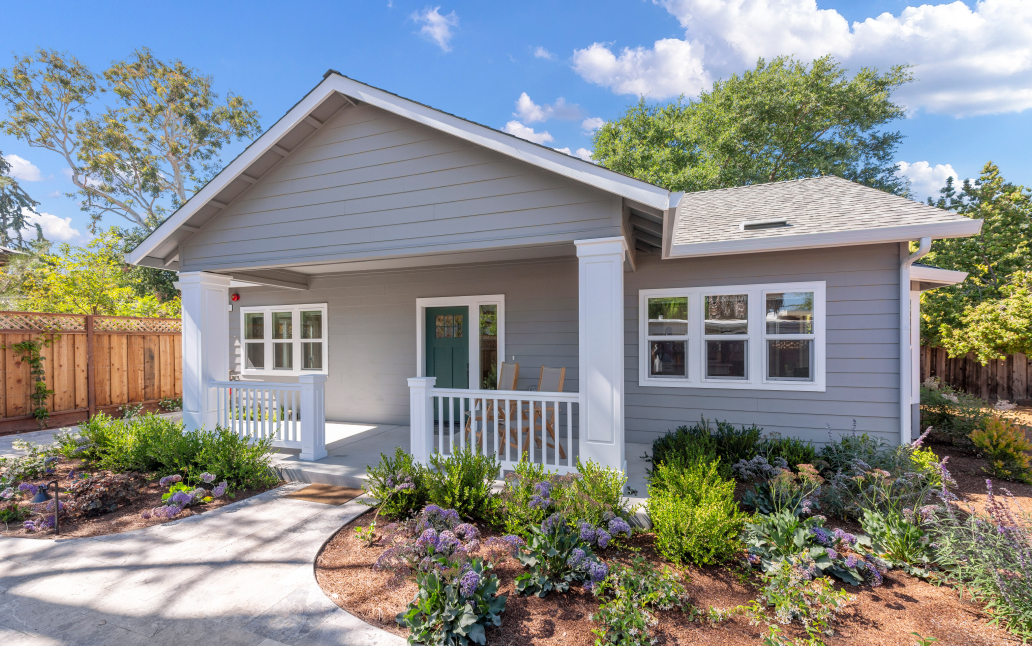
Bay Area ADUs cost more than almost anywhere else in California, mostly because labor runs 30 to 40 percent above the state average and dense lots make access and delivery harder. Here are realistic 2026 ranges for a finished, permitted unit:
| ADU type | Typical Bay Area cost (2026) |
|---|---|
| Garage conversion | $120,000 to $150,000 |
| Attached ADU | $150,000 to $350,000 |
| Detached ADU | $250,000 to $500,000+ |
Most homeowners building a standard detached unit land somewhere around $300,000 to $450,000 once design, permits, and site work are included. What moves the number most:
- Size and layout, plus how many bedrooms you fit
- Site conditions like slope, soil, and tight access, which are common on Bay Area lots
- Utility connections for a detached unit, which typically add $15,000 to $30,000, with the sewer line often the priciest piece
- Interior finishes
On top of construction, budget for soft costs: design, engineering, energy compliance, and city permit fees. A contingency of 10 to 15 percent is smart on any Bay Area project. Our statewide cost-to-build guide breaks down where the money goes in more detail.
Types of ADUs You Can Build in the Bay Area
The right type comes down to your lot, your budget, and what you want the space to do.
Detached ADU
A standalone unit in the backyard. It offers the most privacy and the strongest rental appeal, and gives you the most design freedom. It’s also the most expensive, since everything is built from the ground up.
Attached ADU
Built onto your existing home. Tying into the main house can make utility connections simpler, though you get less separation between the two spaces.
Garage Conversion
Reusing an existing garage is usually the most affordable route, since the structure is already there. Our garage conversion guide covers what to expect.
Above-Garage ADU
Building on top of the garage keeps your parking while adding a full unit above. It costs more than a conversion because it needs structural reinforcement, but it uses very little yard, which is valuable on smaller Bay Area lots.
Junior ADU (JADU)
A unit up to 500 square feet created inside your existing home. It comes with more restrictions, but it can be a lower-cost way to start.
How to Build a Bay Area ADU, Step by Step
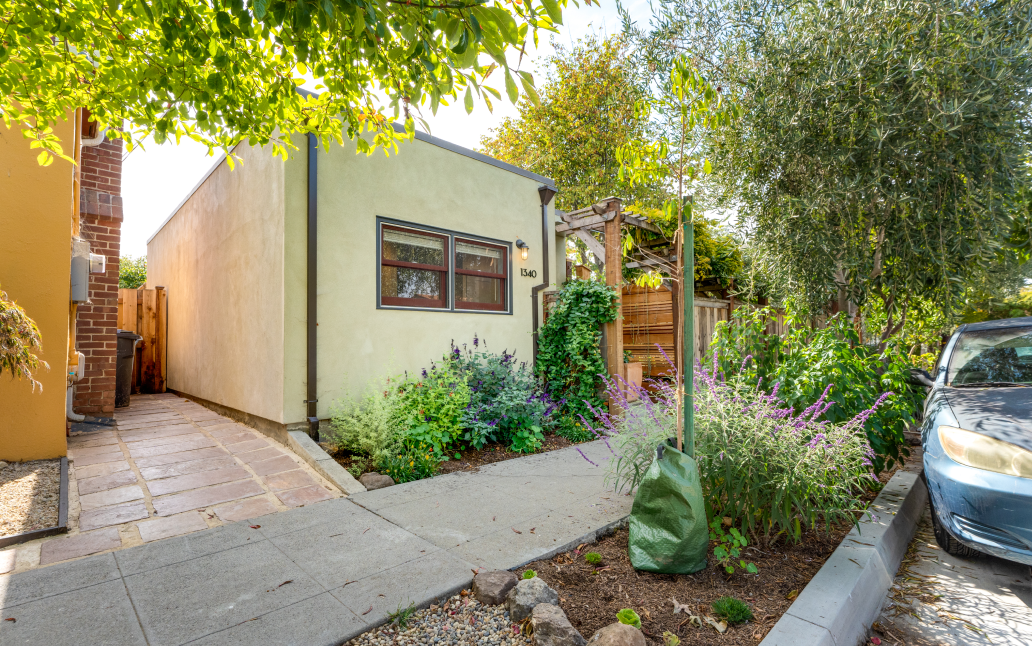
Building an ADU is a series of phases, each with its own decisions.
- Feasibility check. Confirm what your lot can support, including zoning, setbacks, and utility access.
- Budget planning. Set a realistic number based on the type of ADU and your city’s costs.
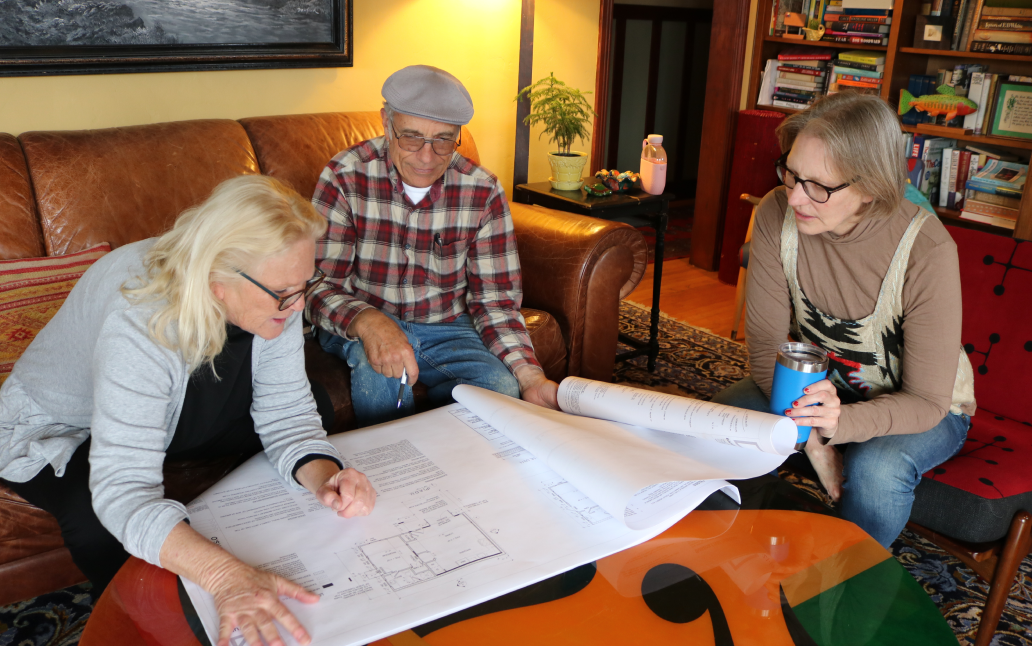
- Design. An architect or designer draws plans that meet code and fit your goals. Understanding what goes into a permit set of construction drawings helps here.
- Permitting. Submit to your city and expect some back and forth during plan check. This is where Bay Area timelines vary the most.
- Construction. Once approved, the build runs from foundation to finishes.
- Final inspection. After passing inspections you receive a Certificate of Occupancy, your green light to move in or rent it out.
If you’re not sure who to bring onto your team, our guide on who to hire for an ADU is a good starting point.
How Long Does a Bay Area ADU Take?
Plan on roughly 8 to 16 months from first design meeting to final inspection for a detached unit. A garage conversion can move faster. Here’s the rough breakdown:
- Design and feasibility: 1 to 2 months
- Permitting: 2 to 6 months, with San Francisco on the longer end and San Jose and Oakland often quicker
- Construction: 6 to 10 months
Confirming your city’s current review timeline early is worth it, because permitting is the phase most likely to stretch.
The Most ADU-Friendly Bay Area Cities
Some Bay Area cities have leaned into ADUs harder than others, with faster reviews, pre-approved plans, and lower fees. If you’re still deciding where a project makes the most sense, or comparing your city to its neighbors, our roundup of the best Bay Area cities to build an ADU breaks down where the process is smoothest.
Common Bay Area ADU Challenges
Every region has its quirks, and the Bay Area has a few that trip up homeowners:
- Permit timelines vary a lot by city, with San Francisco often the slowest
- Hillside and canyon lots can drive up grading and foundation costs
- Older homes may need electrical panel or utility upgrades before an ADU can connect
- Tight lots and narrow access make construction logistics harder and pricier
None of these are dealbreakers, but each one is easier and cheaper to handle when you plan for it early instead of discovering it mid-build.
Build Your Bay Area ADU Dream Team
The biggest, most expensive mistake homeowners make is jumping into design before confirming what their property can actually support. A quick feasibility check up front can save months and a lot of money.
That’s where we come in. Book a call with Maxable and we’ll walk you through your options, give you realistic costs for your city, and match you with vetted ADU designers and builders across the Bay Area. Because the smartest ADU projects start with a solid plan.
Frequently Asked Questions
How much does it cost to build an ADU in the Bay Area?
In 2026, Bay Area garage conversions run roughly $120,000 to $150,000, attached ADUs about $150,000 to $350,000, and detached ADUs around $250,000 to $500,000 or more. Most detached builds land near $300,000 to $450,000 once design, permits, and site work are included. Costs run high here because labor is 30 to 40 percent above the state average.
How long does it take to build an ADU in the Bay Area?
Plan on about 8 to 16 months for a detached ADU, from the first design meeting to final inspection. Garage conversions can be faster. Permitting is the phase that varies most by city, with San Francisco typically slower than San Jose or Oakland.
Do I need a permit to build an ADU in the Bay Area?
Yes. Every Bay Area ADU needs a building permit from your city, and plans are reviewed for building and safety code compliance before construction can begin. Permit fees vary by city, from roughly $5,000 in Oakland to $18,000 in San Francisco.
How big of an ADU can I build in the Bay Area?
California guarantees at least 800 square feet on nearly every single-family lot. Detached ADUs commonly go up to 1,000 square feet on lots under 9,000 square feet, and up to 1,200 square feet on larger lots. A JADU is capped at 500 square feet.
Which Bay Area cities are easiest to build an ADU in?
San Jose and Oakland are among the more ADU-friendly big cities, with lower permit fees, pre-approved plan programs, and generally faster reviews. San Francisco allows ADUs, including unlimited units in larger multi-family buildings, but tends to be the most expensive and slowest to permit.