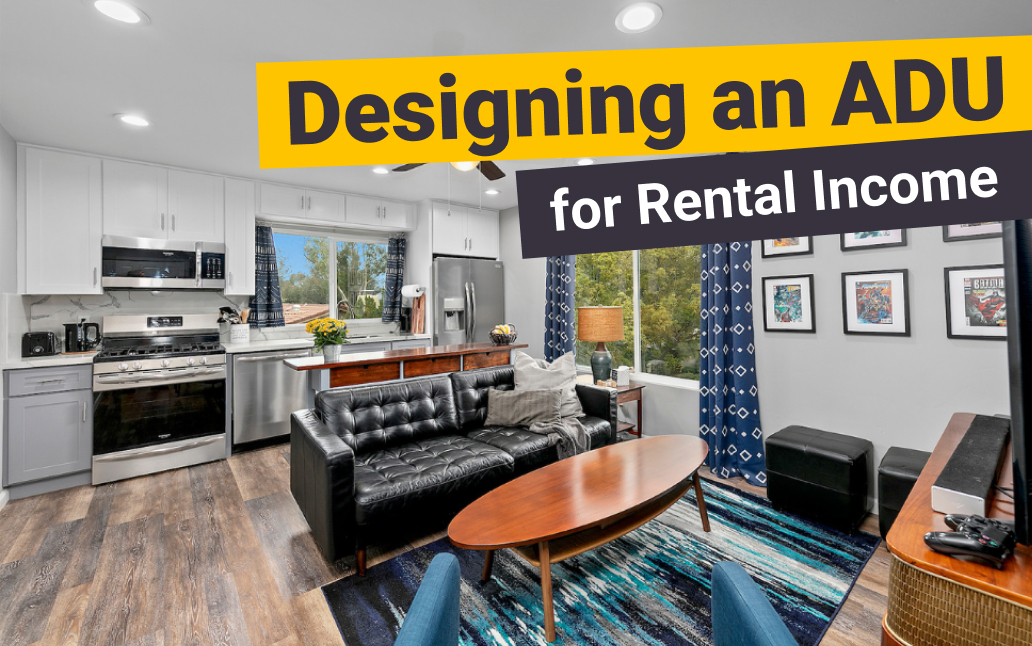
Designing an ADU for rental income is different than designing one for yourself.
When homeowners start planning an ADU, it’s easy to focus on things like personal style, favorite finishes, or features they would want in their own home. But if your goal is to generate rental income, the priorities shift. The most successful rental ADUs are designed around what tenants want and what will maximize long-term returns.
That doesn’t necessarily mean building the biggest ADU possible or spending the most money. In many cases, thoughtful design decisions like prioritizing privacy, creating functional storage, or choosing the right floor plan can have a bigger impact on rental value than expensive upgrades.
Before you start sketching layouts or interviewing contractors, it’s important to think about how the ADU will be used.
Are you planning to rent to a long-term tenant?
A traveling professional?
A college student?
A family member?
The answers to those questions should influence almost every design decision that follows.
If you’re considering building an ADU as an investment property, Maxable can help. We connect homeowners with experienced ADU designers and builders who understand what makes a rental unit successful, from the initial floor plan all the way through construction.
Book a free ADU Planning Call with Maxable to get matched with local ADU professionals who have experience designing and building ADUs for rental income.
Start With Your ADU Rental Strategy
One of the biggest mistakes homeowners make is designing an ADU before deciding who will live in it.
The reality is that the best ADU design depends heavily on the type of tenant you’re trying to attract. A layout that works well for a long-term renter may not be ideal for a traveling nurse, and an ADU designed for a family member may have very different priorities than one intended to maximize rental income.
Before you begin designing your ADU, spend some time thinking about your long-term ADU goals.
Each strategy comes with different design considerations.
For example, a long-term tenant will likely care about storage, privacy, and laundry access because they’re planning to live there for years. Someone staying for a few weeks or months may place a higher value on convenience and furnishings.
Similarly, an ADU intended for an aging parent may prioritize accessibility features like wider doorways, fewer steps, and larger bathrooms. A rental targeted toward young professionals may instead focus on outdoor living space, modern finishes, and a dedicated work-from-home area.
This doesn’t mean you need to know exactly who your future tenant will be. But having a general strategy in mind before the design process begins can help you make smarter decisions and avoid costly changes later.
The most successful rental ADUs are designed around the people who will actually live in them, not just around what fits on the lot.
What Makes a Good Rental ADU?
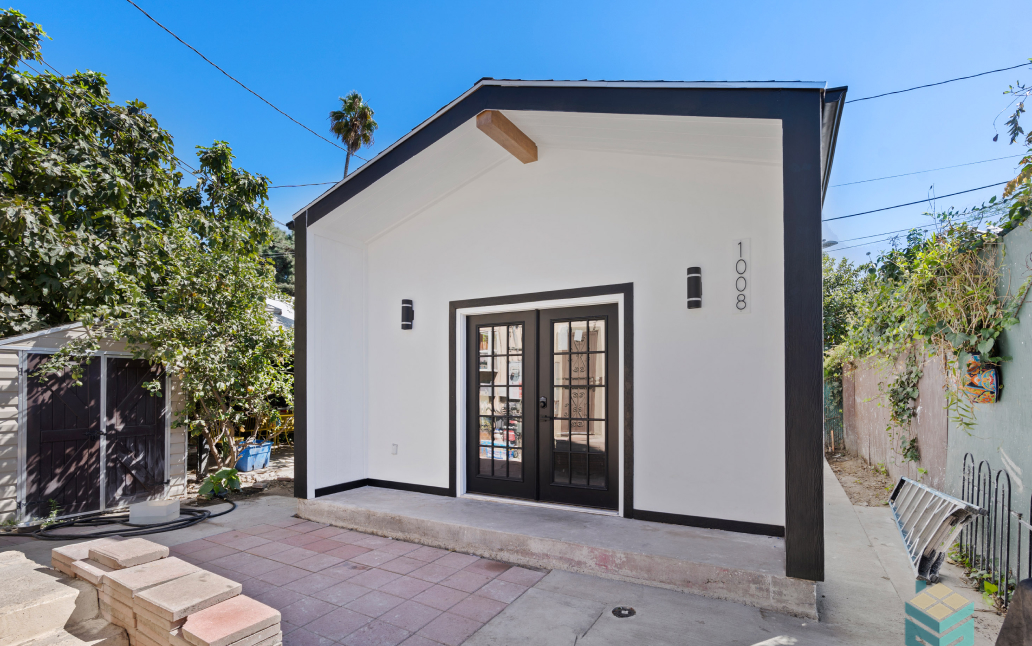
When it comes to rental income, it’s easy to assume that expensive finishes and luxury upgrades are what attract tenants.
In reality, most renters care far more about how the ADU functions on a day-to-day basis.
A beautifully designed ADU with poor storage, limited privacy, or no laundry will often be less desirable than a simpler unit that makes everyday living easy and convenient.
Privacy Is One of the Most Valuable Features
Privacy is often one of the biggest reasons someone chooses an ADU over an apartment.
The more independent the space feels, the more attractive it becomes to potential tenants.
This can be accomplished through thoughtful design decisions such as:
- A separate entrance
- Dedicated outdoor space
- Strategic window placement
- Physical separation from the main house
Many homeowners focus on maximizing square footage, but renters are often willing to sacrifice a little space in exchange for more privacy.
Natural Light Makes Small Spaces Feel Bigger
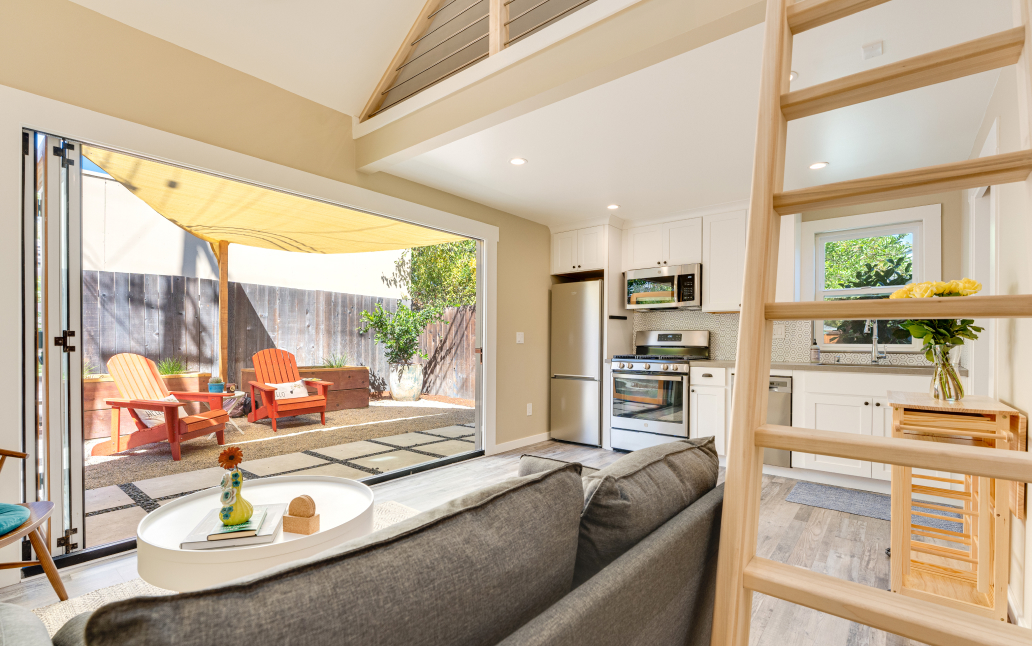
ADUs are naturally smaller than traditional homes, which makes natural light especially important.
Large windows, glass doors, and open floor plans can dramatically improve the feel of a rental unit without significantly increasing construction costs.
A bright ADU often feels larger, more welcoming, and more valuable than a darker unit with the same square footage.
Storage Matters More Than Most Homeowners Realize
One of the most common complaints renters have about small homes is the lack of storage.
Simple additions like:
- Bedroom closets
- Linen storage
- Kitchen pantry space
- Exterior storage sheds
can make a significant difference in how functional an ADU feels.
Storage isn’t exciting, but it is something tenants notice every day.
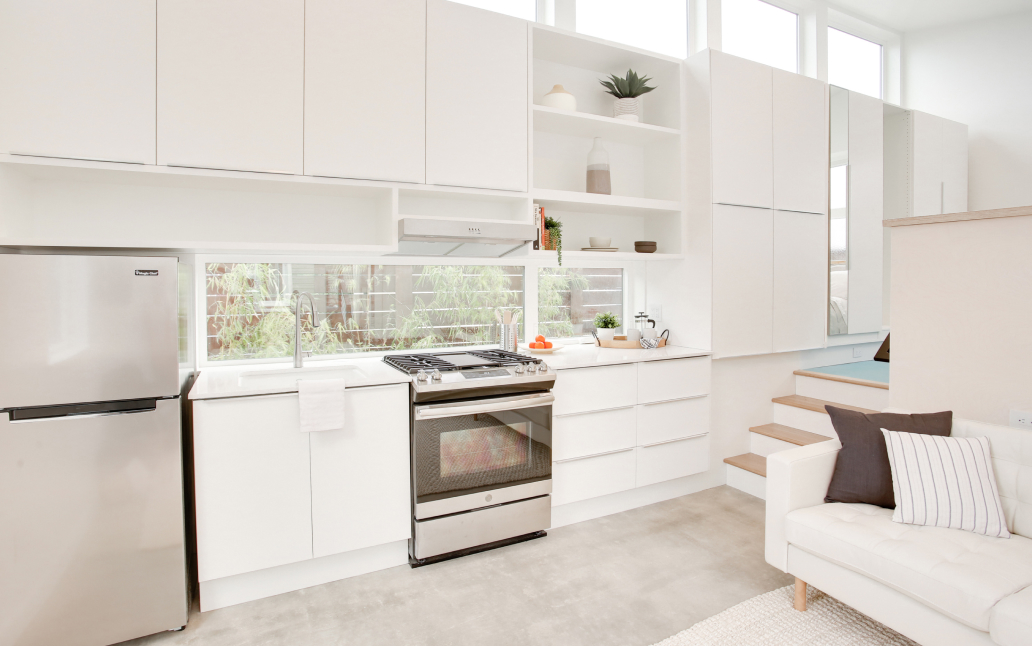
Functional Kitchens Beat Fancy Kitchens
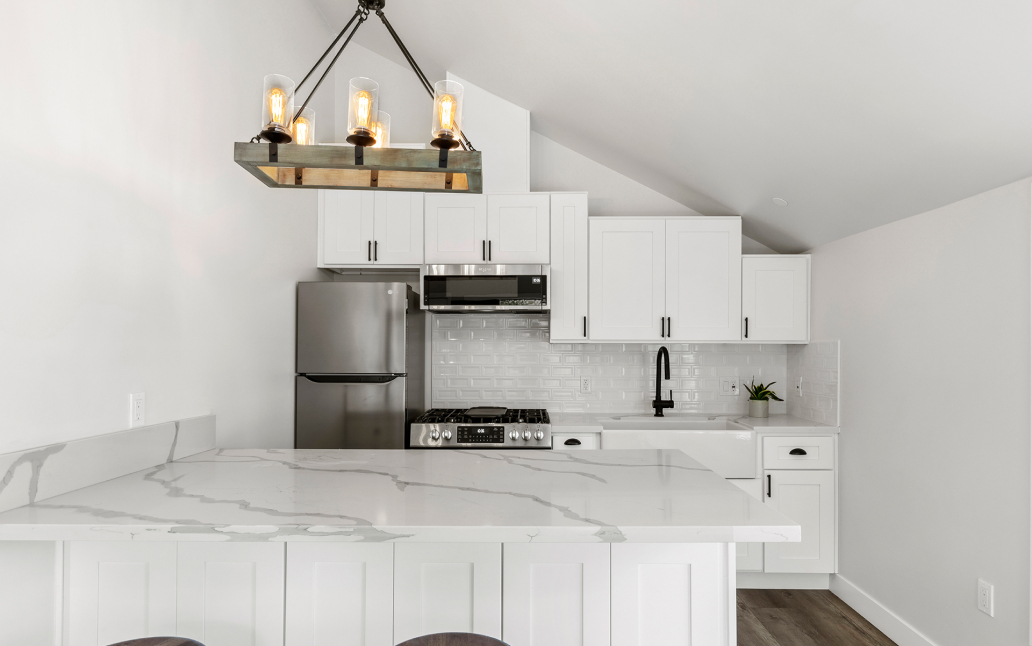
Many homeowners are tempted to spend a large portion of their budget on premium appliances and high-end finishes.
Most renters, however, care more about whether the kitchen is practical.
A well-designed kitchen should provide:
- Adequate counter space
- Sufficient cabinet storage
- Full-size appliances when possible
- Room to comfortably prepare meals
A functional layout will usually have a greater impact on tenant satisfaction than luxury upgrades.
In-Unit Laundry Is a Major Selling Point
If your budget allows, in-unit laundry is one of the best investments you can make in a rental ADU.
Tenants consistently value the convenience of having their own washer and dryer, especially for long-term rentals.
In many markets, laundry can be the difference between a tenant choosing your ADU or a competing rental.
Outdoor Space Adds Usable Living Area
One advantage ADUs often have over apartments is access to outdoor space.
Even a small patio, seating area, or fenced yard can increase the appeal of the unit like in this garage conversion ADU in Redwood City.
For renters, outdoor space creates the feeling of having a home rather than simply renting a room.
The Bottom Line? The best rental ADUs aren’t necessarily the most expensive.They’re the ones that make everyday life comfortable.
What Is the Best ADU Size for Rental Income?
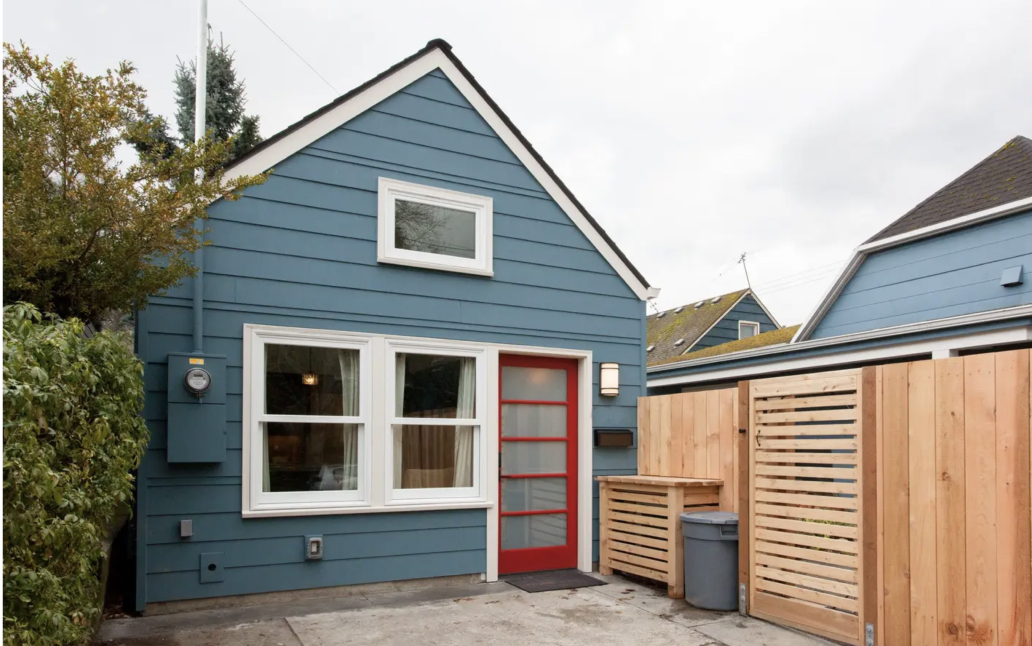
One of the most common questions homeowners ask is whether they should build the largest ADU possible to maximize rental income.
The answer is usually no.
Rather than thinking of square footage, think of the number of bedrooms you can reasonably fit on a property. Think of it like this.
Which do you think will yield higher rent?
A one-bedroom 900 sq ft ADU or a two-bedroom 900 sq ft ADU?
In most cases, the two-bedroom unit will rent for more because it appeals to a larger pool of tenants. The square footage didn’t change. The layout did.
That’s why rental-focused ADU design is often about maximizing functionality rather than maximizing size. But even if the max you can build is a studio, they are still exceptional rentals for tenants… if it’s designed well.
Studio ADUs
Studios are usually the most affordable ADUs to build because they require less square footage and a simpler floor plan.
They can work well in markets with:
- Single professionals
- Students
- Traveling nurses
- Temporary workers
Studios also tend to produce strong rental income relative to their construction cost.
The downside is that they appeal to a narrower group of renters. Someone looking for a dedicated bedroom or planning to live in the unit long-term may pass on a studio entirely.
One-Bedroom ADUs
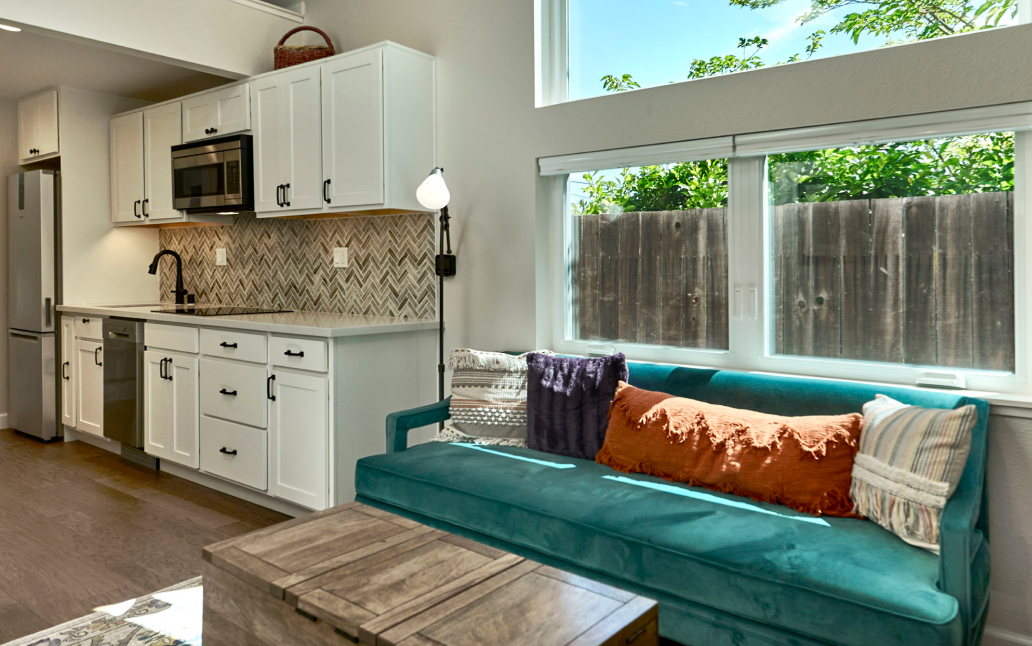
For many homeowners, the one-bedroom ADU is the sweet spot.
One-bedroom units appeal to a wide variety of renters while remaining relatively efficient to build. They offer more privacy than a studio and feel much more like a traditional home.
This makes them attractive to:
- Young professionals
- Couples
- Retirees
- Long-term tenants
If you’re unsure which direction to go, a one-bedroom ADU is often the safest option because it provides flexibility without dramatically increasing construction costs.
Two-Bedroom ADUs
Two-bedroom ADUs typically command the highest rents.
The reason is simple: they can serve more people.
A two-bedroom unit may work for:
- Small families
- Roommates
- Remote workers needing an office
- Multi-generational households
However, not every ADU should be a two-bedroom.
A poorly designed two-bedroom ADU can feel cramped and uncomfortable. In some cases, a spacious one-bedroom with a great layout will be more desirable than a tiny two-bedroom where every room feels undersized.
The Layout Is Just as Important as the Bedroom Count
The best rental ADUs aren’t simply the ones with the most bedrooms. They’re the ones that balance bedroom count with livability.
For example, if the ADU is located close to the primary residence, placing the bedroom on the side farthest from the main house can create a greater sense of privacy and reduce noise.
The entrance should ideally open into the living area rather than directly into a bedroom. This helps the unit feel more like a standalone home.
It’s also important to avoid sacrificing the living room in order to squeeze in an extra bedroom. Tenants spend most of their waking hours in the kitchen and living space, so those areas should feel comfortable and functional.
Simple design decisions like maximizing natural light, minimizing hallway space, and creating dedicated storage can have a significant impact on how renters perceive the unit.
Ready to Build an ADU for Rental Income?
A successful rental ADU starts long before construction begins.
The decisions you make during the planning and design phase can impact everything from construction costs and tenant demand to long-term cash flow and return on investment. Choosing the right layout, the right number of bedrooms, and the right rental strategy can make a significant difference in how your ADU performs for years to come.
The good news is that you don’t have to figure it all out on your own.
At Maxable, we help homeowners connect with experienced ADU designers, architects, and builders who understand how to create ADUs that work well as rental properties.
Book a free ADU Planning Call with Maxable to discuss your property, explore your options, and get matched with local ADU professionals who have experience designing and building ADUs for rental income.
The best rental ADUs aren’t created by accident. They start with a solid plan.