If you’ve started looking into building an ADU, you’ve probably already run into the confusion around permits.
And that confusion is one of the biggest reasons projects get delayed or rejected.
Let’s simplify this.
What Permits Do You Need for an ADU?
To build an ADU in California, you always need a building permit.
Every single time.
It is required for:
- Building a detached ADU
- Converting a garage
- Creating an ADU within your home
If it’s a legal, habitable structure, it requires a building permit from your city.
Without it, you cannot legally build, rent, or insure your ADU.
Permits are where most ADU projects slow down. Not because they’re impossible, but because the process isn’t always clear.
That’s exactly where Maxable comes in.
If you want help navigating permits, getting your plans approved, and avoiding costly mistakes, you can book a free consultation with the Maxable team. We’ll walk you through your property and help you understand exactly what it takes to get your ADU approved.
Book your free ADU consultation with Maxable.
What Is an ADU Permit (And What Does It Actually Do?)
An ADU permit is a formal approval issued by your city that allows you to legally build an accessory dwelling unit on your property.
At its core, it’s simple.
A permit is the city’s way of confirming that your project meets all required standards before construction begins.
When your ADU permit is approved, the city is verifying that your project complies with:
- Zoning regulations: Where the ADU can be built, size, setbacks, etc.)
- Building codes: Structural integrity, electrical, plumbing, energy standards)
- Health and safety requirements: Fire safety, ventilation, habitability)
Because ADUs are considered fully habitable living spaces, they must meet the same safety and construction standards as a primary home.
Here’s where a lot of confusion happens.
A permit is not something you apply for on its own. You don’t just ask the city for a permit and get one.
Instead you submit a full set of plans, the city reviews them, and if everything meets code, then you are issued a permit.
This is why understanding your plans matters so much.
Those plans, often called your permit set or construction drawings, ****are what the city actually evaluates during plan check. They show everything from layout and structure to energy compliance and safety systems.
Types of ADU Permits (Beyond the Building Permit)
The main type of permit you’ll need to build an ADU is a building permit, but others may be required depending on your property and ADU type.
Common examples include:
- Grading permits if your lot requires earthwork
- Utility permits for water, sewer, or electrical connections (pretty common)
- Coastal permits if your property is in a coastal zone
While the building permit is required 100% of the time, it’s not always the only approval involved in your project.
Depending on your property and what you’re building, there may be a few additional layers the city needs to sign off on before issuing that permit.
Let’s do a deep dive into some of these.
Building Permit (Always Required)
When building an ADU, your building permit covers everything related to construction, including:
- Structural work
- Electrical
- Plumbing
- Energy compliance
This is the permit that ultimately allows you to build.
Demolition Permits (Garage Conversions)
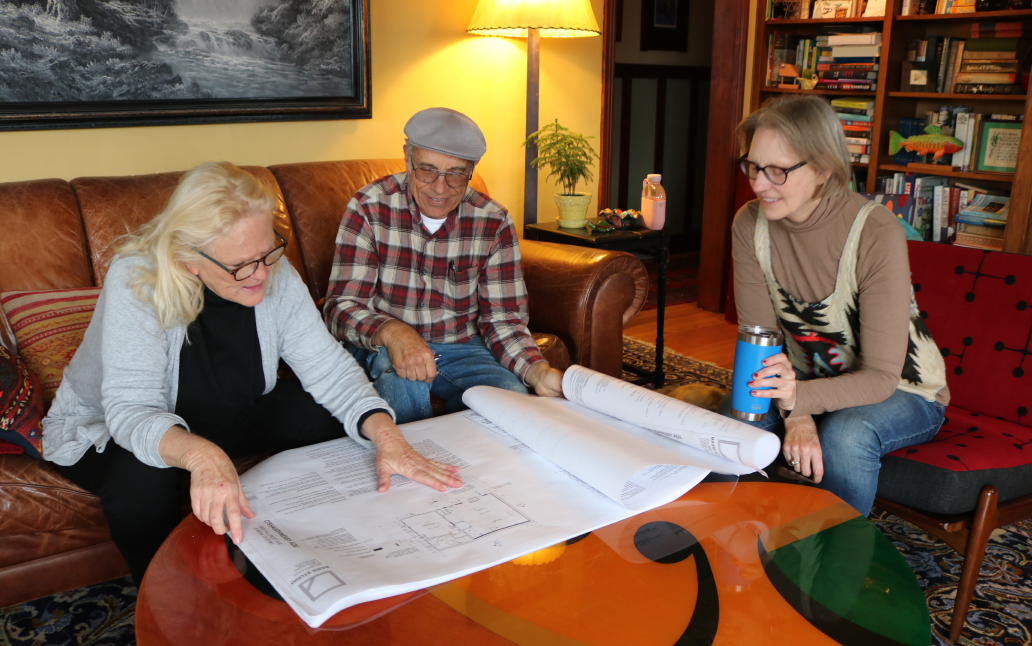
If you are planning on doing a garage conversion ADU, you may be required to pull a demolition permit.
This typically applies when you’re removing parts of an existing structure, like:
- Garage doors
- Interior walls
- Existing finishes
In California, thanks to 2023 ADU bill SB 897, cities are legally required to issue you your demolition permit if you’re building permit is approved. Cities used to withhold these permits to slow the permitting process and prevent homeowners from building.
But, thanks to SB 897, instead of treating demolition as a separate step, it’s now reviewed as part of your overall ADU plans.
As long as your drawings clearly show what’s being removed and rebuilt, that scope gets approved during plan check.
Utility Permits (Water, Sewer, and Electrical)
If you’re building an ADU, you may also be required to pull utility permits.
This typically applies when you’re:
- Connecting to water and sewer lines
- Upgrading or connecting electrical service
- Adding gas lines or modifying existing utilities
These permits ensure that your ADU is properly connected to essential services and that those systems can safely handle the additional load.
In most cases, utility permits are not handled separately by you as the homeowner. Instead, they are reviewed as part of your overall ADU plans and coordinated during the permitting process.
Just like demolition, utility work is typically included in your building permit scope, as long as your drawings clearly show things like where the connections are being made, upgrades to existing systems, and how the ADU will be serviced.
We’ve included a glimpse of what this part of what the ADU utility plans can look like in our blog: What Are ADU Permit Sets? Construction Drawings Explained
Coastal Permits (If You’re in a Coastal Zone)
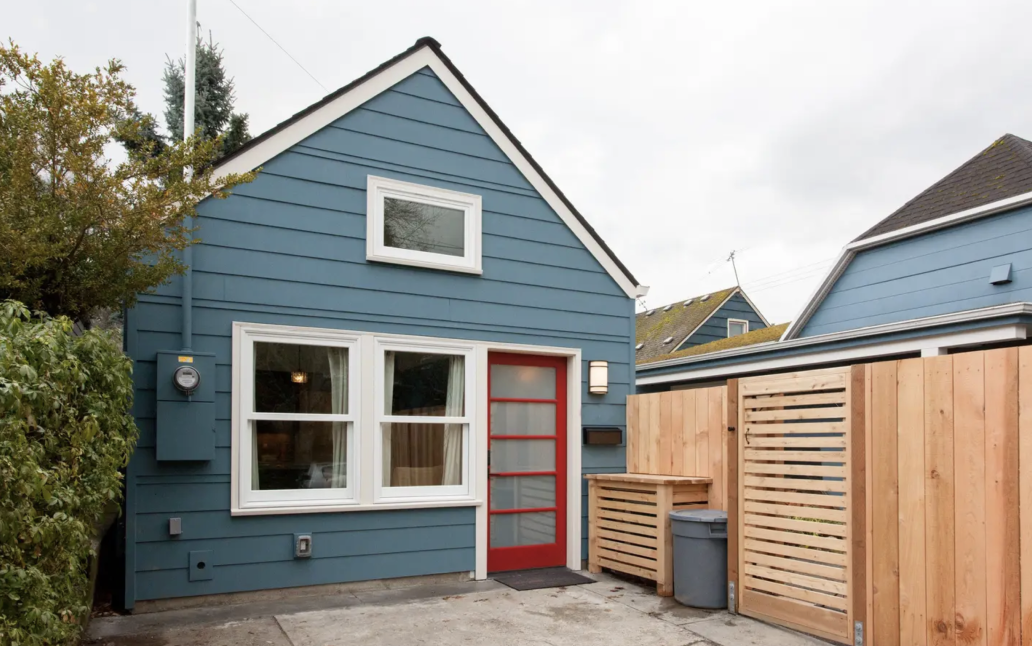
If your property is located in a coastal zone, you may also need a coastal development permit.
This typically applies to properties near the coast where additional regulations are in place to protect environmental and coastal resources.
A property is considered to be in a coastal zone if it falls within the area regulated by the California Coastal Commission, typically along the coastline and certain inland areas near the ocean. These zones are designated to protect coastal resources, and development within them is subject to additional review and regulations.
Historically, coastal permits added another layer of complexity and time to the ADU approval process.
However, recent updates to California ADU laws have made this easier in many cases by limiting when coastal permits can be required for ADUs.
How Long Do ADU Permits Take?
Under California law, once you submit your application:
- The city has 15 days to determine if your submission is complete
- After that, they typically have around 60 days to review and approve your plans
These timelines are meant to keep the process moving and prevent unnecessary delays.
If your city rejects your application, they are legally required to list all reasons for the denial. This rule was put in place to reduce repeated revisions and give homeowners a clear path to approval.
Thankfully, even if your city does come back with revisions, Maxable matches you with ADU designers that are well equipped to either argue against the revisions or correct them until your building permit gets a stamp of approval.
Book a call with Maxable to talk to us about your ADU goals and we’ll match you to an ADU professional that not only matches your goals, but also your budget, style, and timeline. And right in your neighborhood, of course ;)