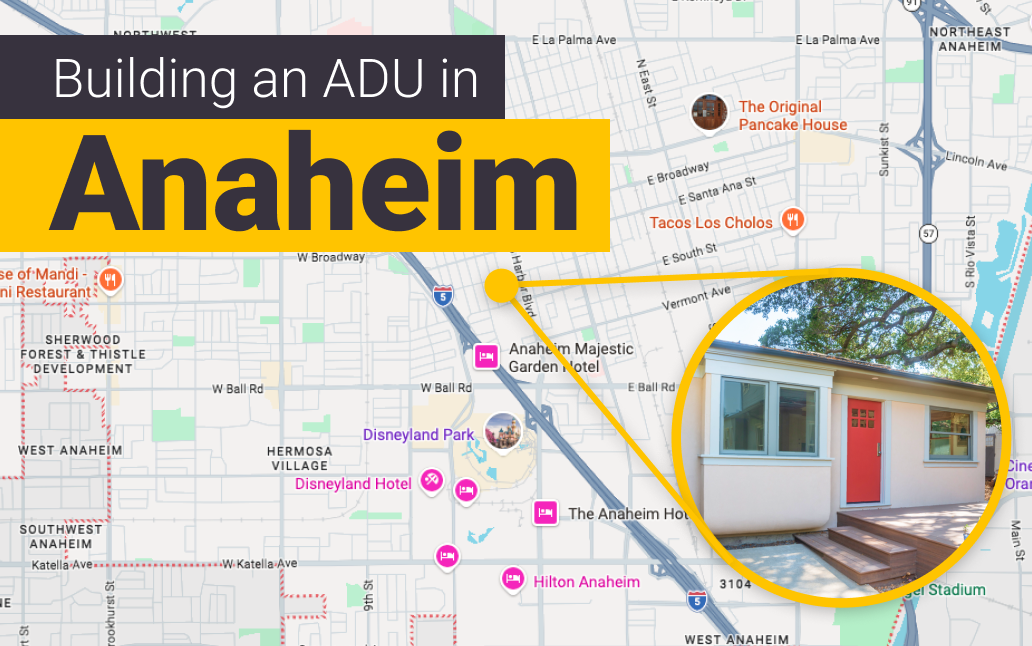
Anaheim has long been one of the most desirable places to live in Orange County. Excellent schools, established neighborhoods, and strong property values make this a hub for investors, families, young professionals, and everything in between. (And being so close to Disneyland is just a bonus ;) Instead of moving, many homeowners are turning to accessory dwelling units (ADUs) as a way to make better use of the property they already own.
ADUs offer flexibility that traditional homes often lack. Some homeowners build them to create rental income, helping offset mortgage payments or rising living costs. Others use ADUs to house aging parents, adult children, or extended family members while still maintaining privacy. And with remote work becoming more common, many ADUs double as home offices, guest suites, or creative studios.
In a city like Anaheim, where real estate values are high and available housing is limited, adding an ADU can also be a smart long-term investment. Not only can it generate income, but it can also increase overall property value and future resale appeal.
If you’re thinking about building an ADU in Anaheim, the process may seem complicated at first. But with the right planning and guidance, it’s entirely achievable.
Or, if you’d rather skip the research and get straight to answers, book a call with Maxable. We’ll help evaluate your property and connect you with vetted ADU designers and builders in your area.
Anaheim ADU Laws and Zoning Basics
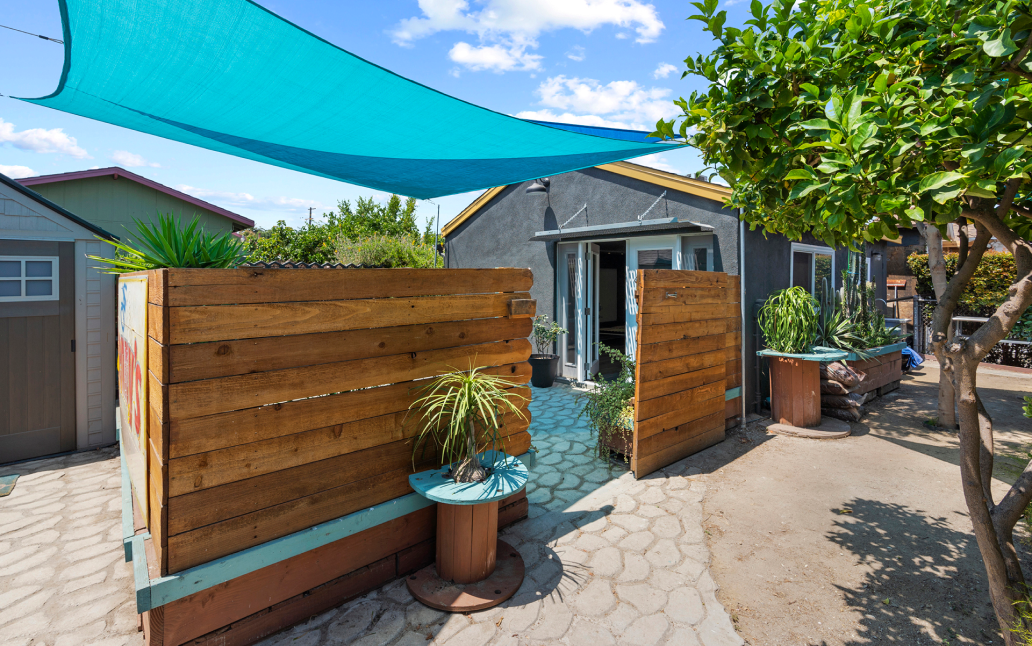
Before designing your ADU, it’s important to understand how local and state regulations work together. In Anaheim, California’s statewide ADU laws establish the baseline rules, and cities must follow them. This means Anaheim cannot enforce regulations that directly conflict with state law, which has made building ADUs significantly easier over the past several years.
Under current California law, most single-family homeowners are allowed to build one ADU from a converted structure like a garage conversion, one detached ADU, and one junior ADU (JADU) on their property if there is sufficient space on the property. But you are always guaranteed to be allowed to build one ADU of at least 800 square feet, even if local zoning rules such as floor area ratio (FAR) or lot coverage would normally restrict the size.
Several key rules apply to most ADU projects:
- There is no minimum lot size requirement
- Side and rear setbacks cannot exceed 4 feet for qualifying ADUs
- Many ADUs qualify for parking exemptions, especially if they’re near transit or created through garage conversions
- Homeowners can typically build both an ADU and a JADU on a single-family lot
While Anaheim follows these state guidelines, local review still ensures the project meets building codes, safety standards, and neighborhood compatibility.
Anaheim ADU Size Limits and Height Rules
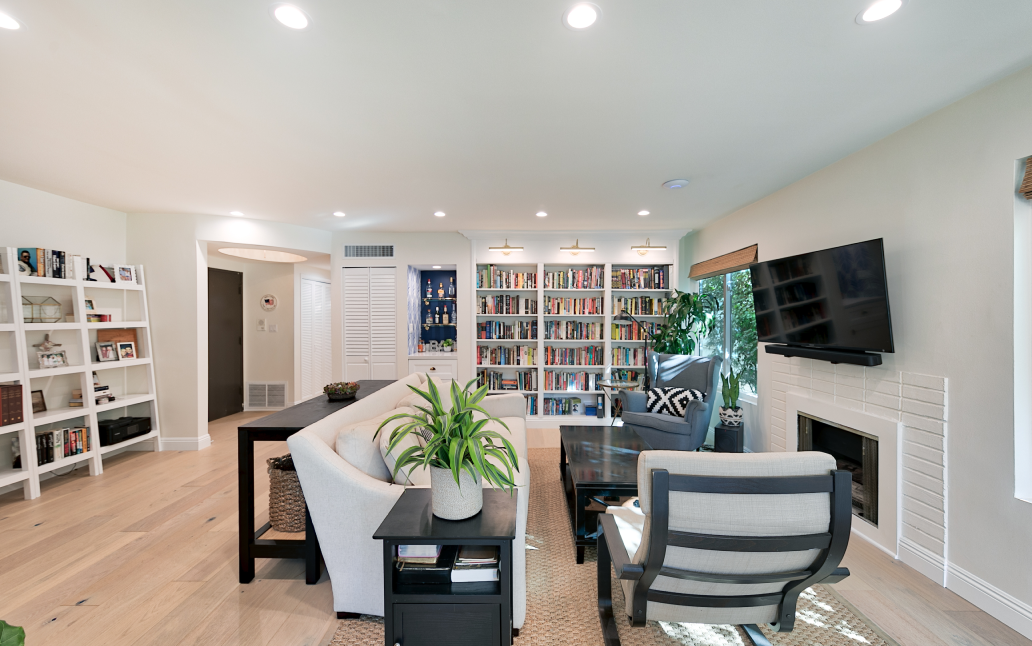
In addition to state ADU laws, homeowners should understand the typical size and height limits that affect ADU design in Anaheim. These rules help maintain neighborhood scale while still allowing homeowners to add additional housing on their property.
For most residential properties, the following guidelines apply:
- 800 square feet is the minimum ADU size cities must allow
- Many properties can accommodate ADUs up to 1,200 square feet depending on lot size and configuration
- Detached ADUs are often limited to about 16–25 feet in height, depending on the design and roof type
- Side and rear setbacks are typically 4 feet
Beyond these basic limits, other factors can influence what’s possible on your property. Design decisions often need to balance building height, privacy for neighboring homes, setback requirements, and potential HOA design guidelines, which are common in many Anaheim communities.
Because every lot is different, the exact size and placement of an ADU often depend on your property layout, existing structures, and how the design fits within these regulations.
Can You Build an ADU in an Anaheim HOA Community?
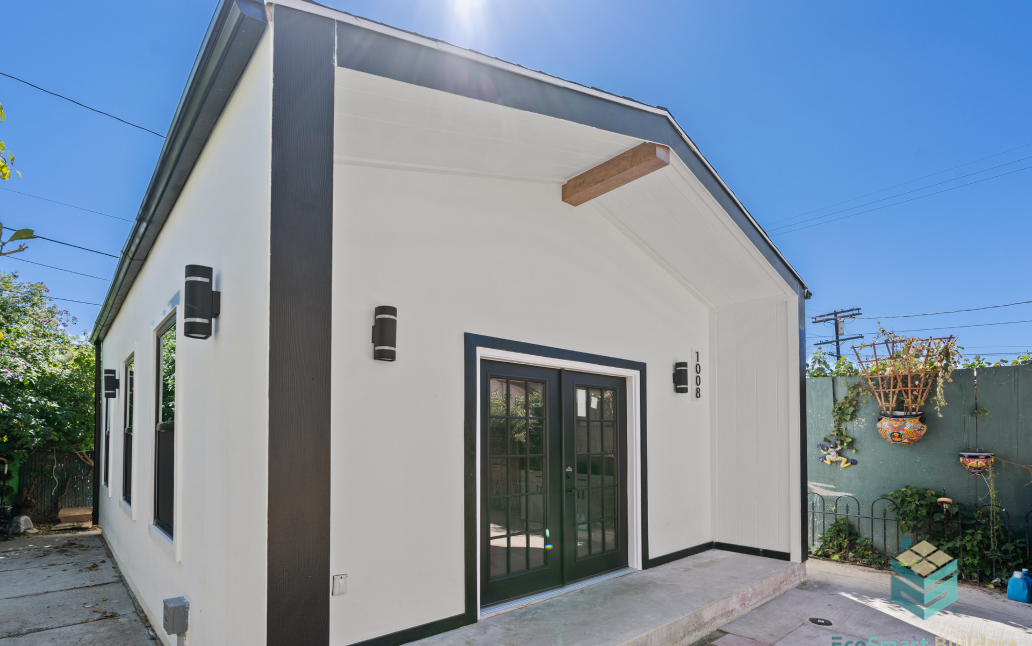
Many Anaheim neighborhoods are part of HOA-governed master-planned communities, which can make homeowners wonder whether they’re even allowed to build an ADU. The good news is that California state law protects a homeowner’s right to add an ADU in an HOA.
In general, HOAs cannot outright prohibit ADUs if they are otherwise allowed under state and local regulations. However, that doesn’t mean the HOA has no say in the process. Associations can still enforce reasonable design and architectural guidelines to ensure the new structure fits the character of the community.
For example, an HOA may regulate things like:
- Exterior materials and paint colors
- Roof style and building appearance
- Landscaping and fencing
- Construction access and working hours
- Architectural review procedures
Because of this, it’s important to review your HOA’s governing documents before starting the design process. Homeowners should carefully check the CC&Rs (Covenants, Conditions, and Restrictions) as well as any architectural guidelines that apply to new structures.
In most cases, an ADU project in an HOA community simply means an extra step in the approval process, not an automatic rejection. Planning ahead and coordinating with the HOA early can help prevent delays once your ADU plans are ready for submission.
If you find your HOA being too restrictive or flat out rejects your ADU entirely, you can report them to your local Planning Department.
How Much Does It Cost to Build an ADU in Anaheim?
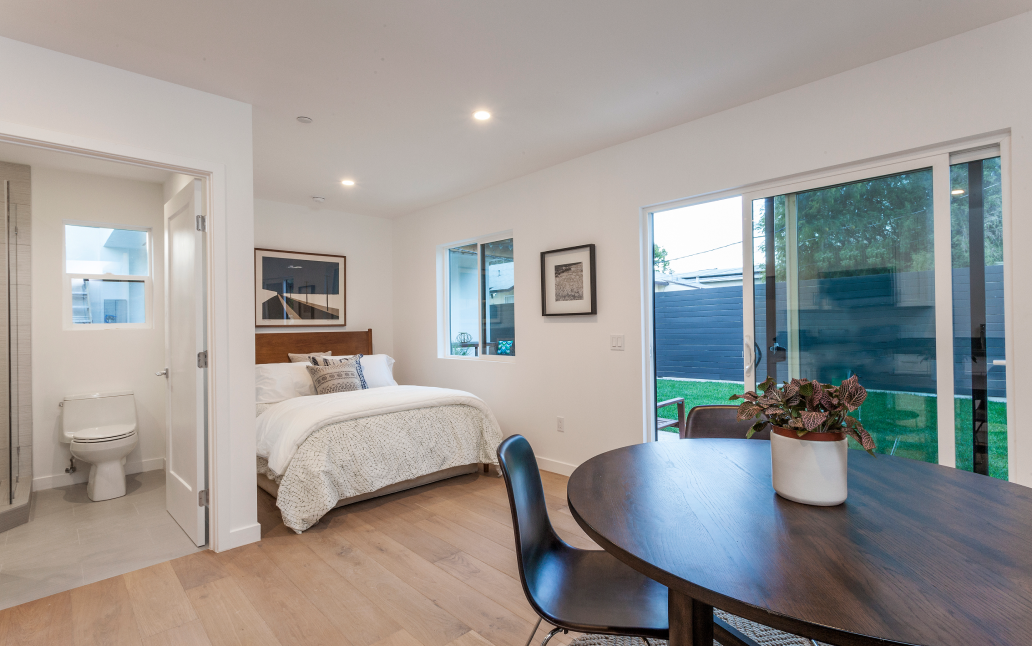
The cost of building an ADU in Anaheim can vary widely depending on the type of project, design choices, and site conditions. For many homeowners, the most affordable starting point is a garage conversion, which typically begins around $120,000 to $130,000. Because the structure already exists, garage conversions often require less framing and foundation work than building a new detached unit.
Detached ADUs, on the other hand, usually cost significantly more. Since they require a brand-new foundation, framing, roofing, and utility connections, prices can increase quickly depending on the size and complexity of the build.
Several factors influence the final price of an ADU project, including:
- Lot complexity and site access
- Design layout and architectural choices
- Structural upgrades to existing buildings
- Utility connections or upgrades
- Interior finishes such as flooring, cabinetry, and appliances
In addition to construction costs, homeowners should also budget for soft costs, which are necessary parts of the development process. These may include:
- Architectural and design services
- Structural engineering
- City permits and plan review fees
- Energy compliance documentation
Setting aside a 10–15% contingency is also wise to cover unexpected conditions or design changes during construction.
Step-by-Step Process to Build an ADU in Anaheim
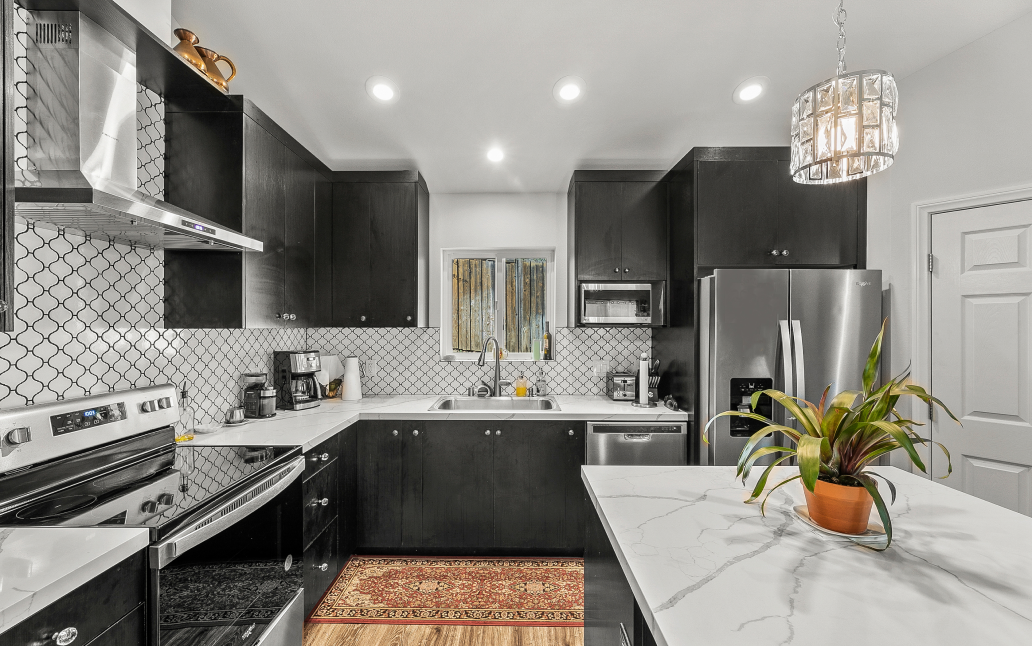
Building an ADU in Anaheim involves several stages, from early planning to final city approval. Understanding the process ahead of time helps homeowners set realistic expectations for both timeline and budget.
1. Property Feasibility Analysis
The first step is determining what your property can support. This includes reviewing zoning rules, setbacks, existing structures, utility access, and any HOA requirements.
2. Budget Planning
Once feasibility is confirmed, homeowners should establish a realistic budget based on project type, size, and design goals.
3. Design Phase
An architect or designer creates floor plans, elevations, and technical drawings that comply with local building codes and state ADU regulations.
4. Permit Submission to the City of Anaheim
The completed ADU permit plans are submitted to the city for review. Officials evaluate the project for compliance with zoning rules, building codes, and safety requirements.
5. Plan Check Corrections
Most ADU plans receive comments during the review process. Your design team will revise the plans and resubmit them until the city grants approval.
6. Construction
Once permits are issued, construction begins. This phase includes site preparation, framing, utility installation, interior finishes, and required inspections throughout the build.
7. Final Inspection and Certificate of Occupancy
After construction is complete and the project passes all final inspections, the city issues a Certificate of Occupancy, allowing the ADU to be legally used as a residential living space.
Planning Your Anaheim ADU
Every Anaheim property is different. Lot layout, HOA rules, utility access, and neighborhood design guidelines can all influence what type of ADU is possible on your lot. Two homes on the same street can have very different development opportunities depending on setbacks, existing structures, and utility placement.
Because of this, the smartest first step is not guessing. It is getting a clear understanding of what your property can realistically support. A quick feasibility check can help you determine the best ADU type for your lot, estimate costs, and avoid design decisions that may not pass plan check.
That is where Maxable comes in.
We help homeowners across California navigate the entire ADU process, from early planning to construction. Our team researches your property, explains your options, and connects you with vetted, licensed, and insured ADU designers and builders who work in your area.
Instead of spending months researching regulations and calling contractors, you can get personalized guidance tailored to your specific property.
- Evaluate your Anaheim property’s ADU potential
- Understand realistic costs and timelines
- Get matched with trusted ADU professionals in your neighborhood
Your ADU project starts with the right plan and the right team.