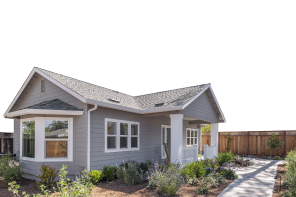
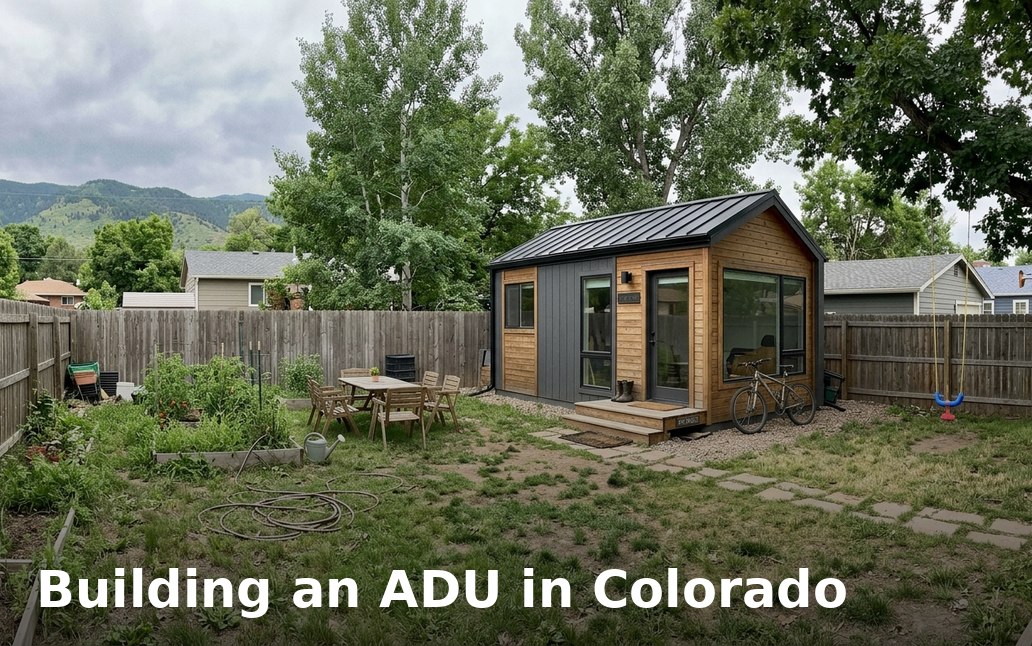
Colorado just made it much easier to build a backyard home in its cities. A statewide law that took effect in 2025 now requires many Colorado cities to allow accessory dwelling units, stripping away the local rules that used to block them.
If you own a single-family home in the Denver metro, Boulder, Fort Collins, or Colorado Springs, that shift matters. It can mean rental income, a place for family, or a smaller home to retire into, on a lot you already own.
Here’s what the new law actually does, which cities it covers, and what it takes to build an ADU in Colorado. If you want to understand your options, Maxable’s free ADU planning tools are a good place to start.
What Is Colorado’s ADU Law (HB24-1152)?
House Bill 24-1152 is a statewide law, signed in 2024, that requires many Colorado cities to allow accessory dwelling units on single-family lots. Cities had to bring their rules into compliance by June 30, 2025.
The short version: in the cities it covers, you now have the right to build one ADU where single-family homes are allowed, and the city has to approve a compliant application without a discretionary public hearing. Before this, many Colorado cities either banned ADUs outright or buried them under parking minimums, owner-occupancy rules, and design reviews that killed most projects.
An ADU, sometimes called a granny flat or backyard cottage, is a self-contained home with its own kitchen, bathroom, and entrance. If the term is new to you, our guide to what a junior ADU is covers the smaller version, and the statewide roundup of ADU laws shows how Colorado fits the national trend.
Which Colorado Cities Does the Law Cover?
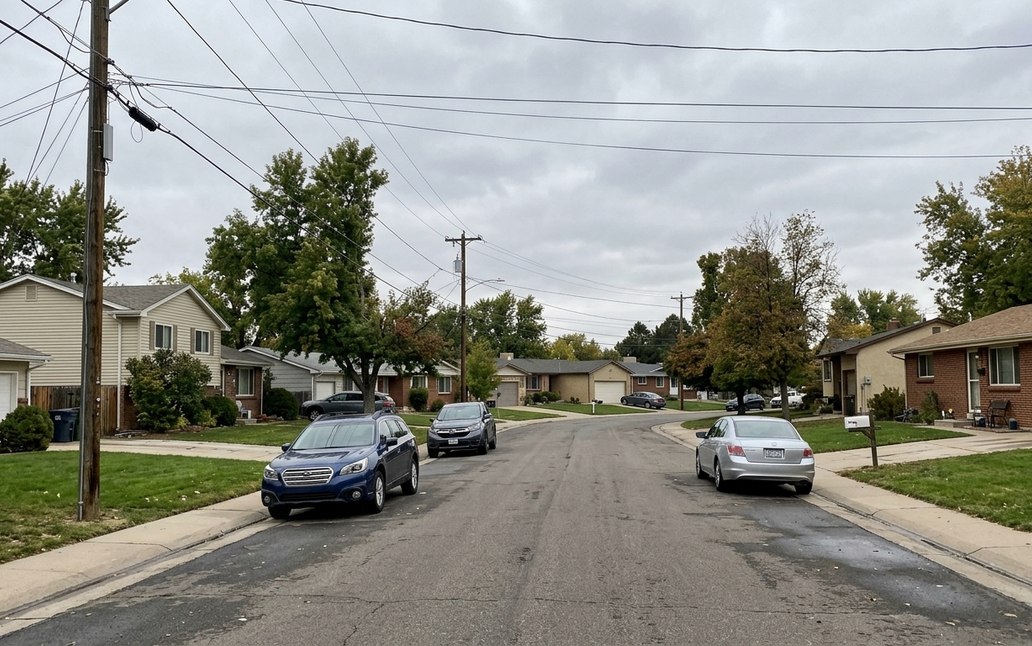
The law applies to what it calls “subject jurisdictions.” In plain terms, that means cities and towns with at least 1,000 residents that sit inside a Metropolitan Planning Organization, which are the state’s larger urban regions.
That captures most of the places people actually build:
- The Denver metro area, including Denver, Aurora, Lakewood, Arvada, and their neighbors
- Boulder and surrounding cities
- Fort Collins, Greeley, and the northern Front Range
- Colorado Springs and the Pikes Peak region
Rural towns and small communities outside those regions are not required to follow the law, though they can choose to adopt similar rules. If you’re not sure whether your city is covered, the Colorado Division of Local Government keeps a current list. Rules and boundaries change, so confirm your city before you plan.
What the Law Lets You Do
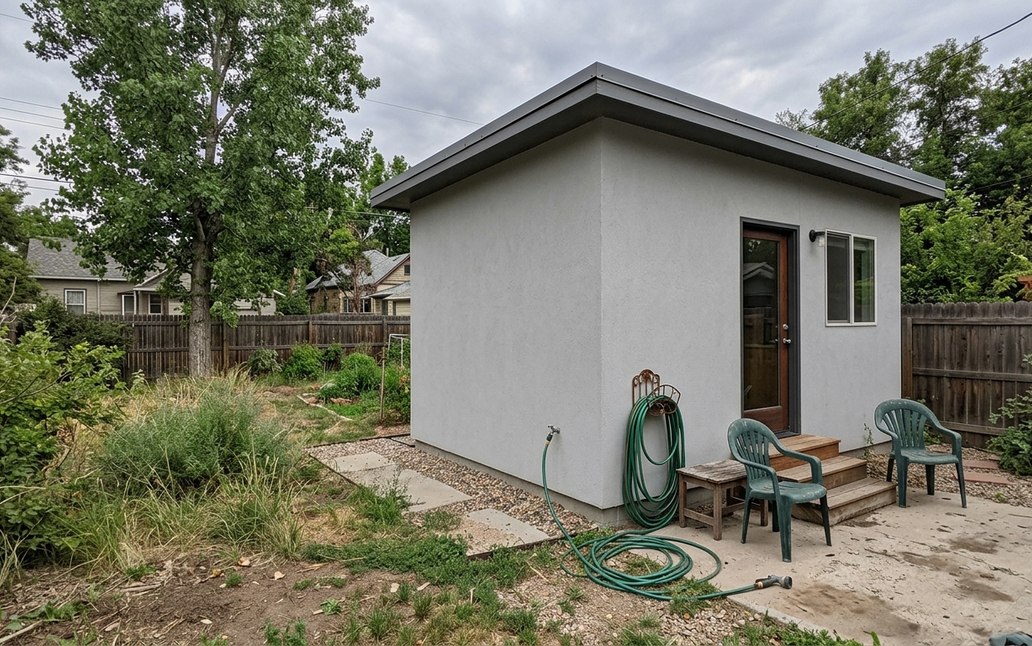
In a covered city, the law gives homeowners real, predictable rights:
- Build at least one ADU on a lot where a single-family home is allowed
- Get an administrative approval, meaning a compliant application is reviewed by staff without a discretionary hearing where neighbors can block it
- Skip added parking, since cities can’t require extra off-street parking as a condition of building
- Live off-site, because cities can’t force you to occupy the main house or the ADU
- Override HOA bans, as homeowners association rules that prohibit ADUs are unenforceable in covered jurisdictions
Together, those changes remove the barriers that quietly stopped most ADUs before 2025.
What the Law Doesn’t Do
The law opens the door, but it doesn’t erase every local rule. Your city can still apply reasonable, objective standards for things like height, setbacks (the distance a structure sits from your property line), and building safety codes. You still need a permit and plans that meet code.
It also doesn’t force rural areas to allow ADUs, and it doesn’t hand you a finished project. You still have to design a unit that fits your lot and budget, get it permitted, and build it. Think of the law as removing the roadblocks, not doing the work for you.
How Much Does It Cost to Build an ADU in Colorado?
Costs vary with size, type, and site, but most Colorado homeowners should plan for a meaningful investment. A garage conversion is usually the most affordable route, while a new detached unit costs the most because everything is built from the ground up. As a rough guide, in the Denver area, detached ADUs commonly run about $150,000 to $380,000 once design, permits, and site work are included.
What moves the number most is size, site conditions like slope and access, utility connections for a detached unit, and the level of finishes. A contingency of 10 to 15 percent is smart on any build. Our statewide cost-to-build guide breaks down where the money goes, and most of those categories carry over to Colorado.
Step by Step: Building an ADU in Colorado
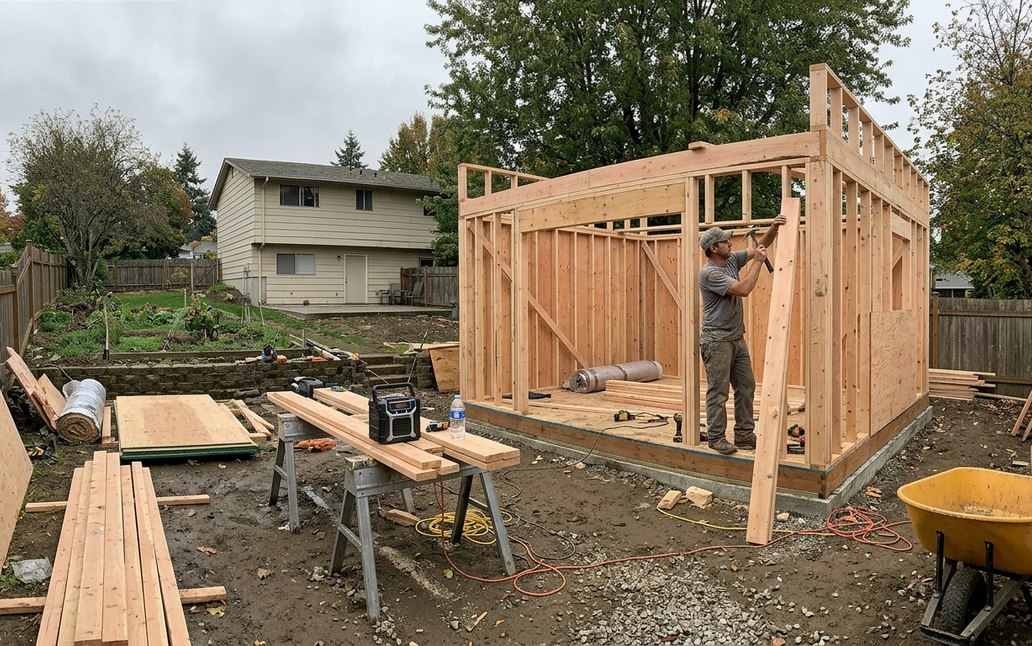
Building an ADU is a series of phases, each with its own decisions.
- Confirm your city is covered and pull its current ADU standards for height, setbacks, and size.
- Check feasibility. Look at your lot, utilities, and access to see what actually fits.
- Set a budget based on the type of ADU you want.
- Design your unit with an architect or designer who knows local code. Not sure who to bring on? Our guide on who to hire for an ADU helps.
- Submit for permits. In a covered city, a compliant application gets an administrative review.
- Build and pass inspections, then receive your certificate of occupancy, the green light to move in or rent it out.
Is an ADU Worth It in Colorado?
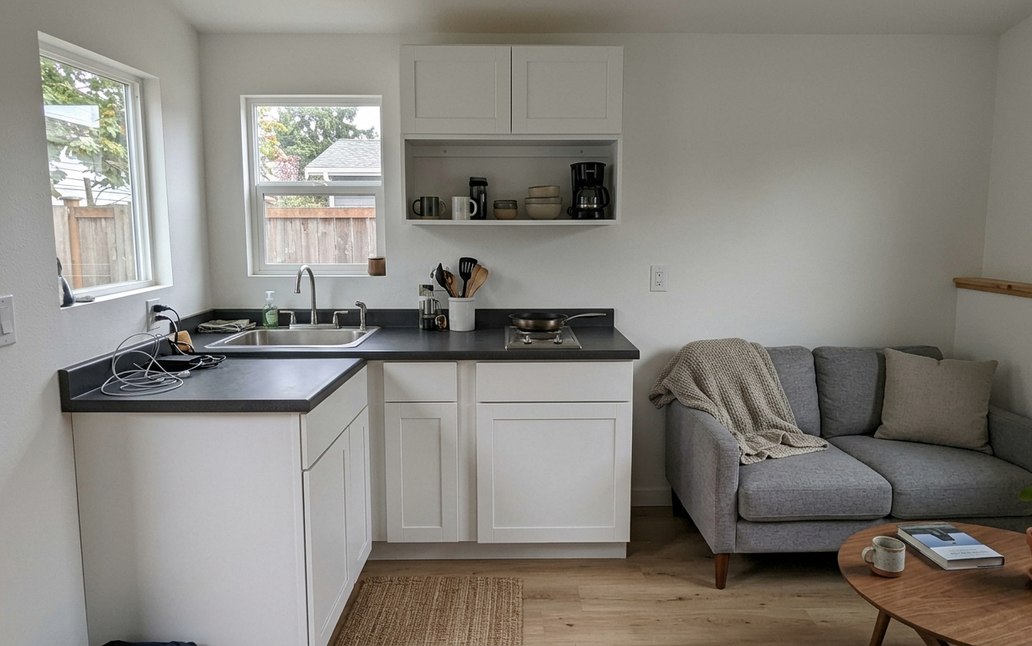
For many homeowners, yes. With rents high across the Front Range, an ADU can generate steady income, house family close by, or give you a right-sized place to age in. The new law also makes the path far more predictable than it was even two years ago, which lowers the risk of starting.
The smartest projects start with a clear feasibility check before you spend money on design. Maxable helps homeowners understand what their property can support and what a realistic budget looks like. Book a free ADU planning call to talk through your options and get pointed in the right direction.
FAQs
Are ADUs legal in Colorado?
Yes. Colorado’s HB24-1152 requires cities with at least 1,000 residents inside a Metropolitan Planning Organization to allow at least one ADU on single-family lots, with compliance required by June 30, 2025. Rural areas outside those regions are not required to allow them but may choose to.
Which Colorado cities allow ADUs?
The law covers larger urban jurisdictions, including the Denver metro, Boulder, Fort Collins and the northern Front Range, and Colorado Springs. Smaller towns outside a Metropolitan Planning Organization are exempt. Check the Colorado Division of Local Government for the current list.
Can an HOA stop me from building an ADU in Colorado?
In a covered jurisdiction, homeowners association rules that prohibit ADUs are unenforceable under state law. Reasonable, objective design standards can still apply, but an outright ban cannot.
Do I have to live on the property to build an ADU in Colorado?
No. The law bars covered cities from requiring owner-occupancy, so you can rent out both the main home and the ADU.
How much does an ADU cost in Colorado?
It depends on the type and size. Garage conversions are the most affordable option, while new detached units cost the most. In the Denver area, detached units commonly run about $150,000 to $380,000 once design, permits, and site work are included, and a 10 to 15 percent contingency is smart.